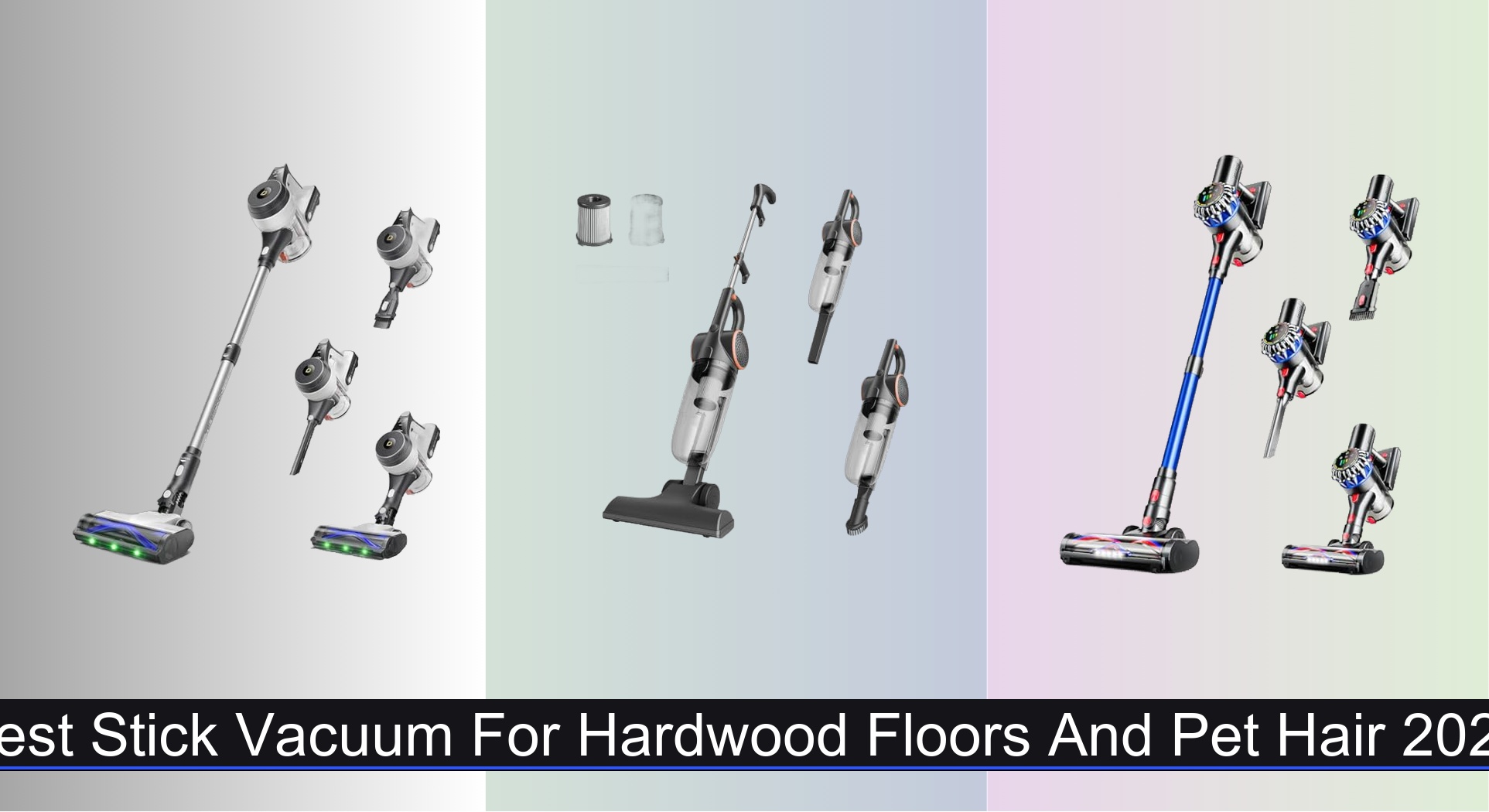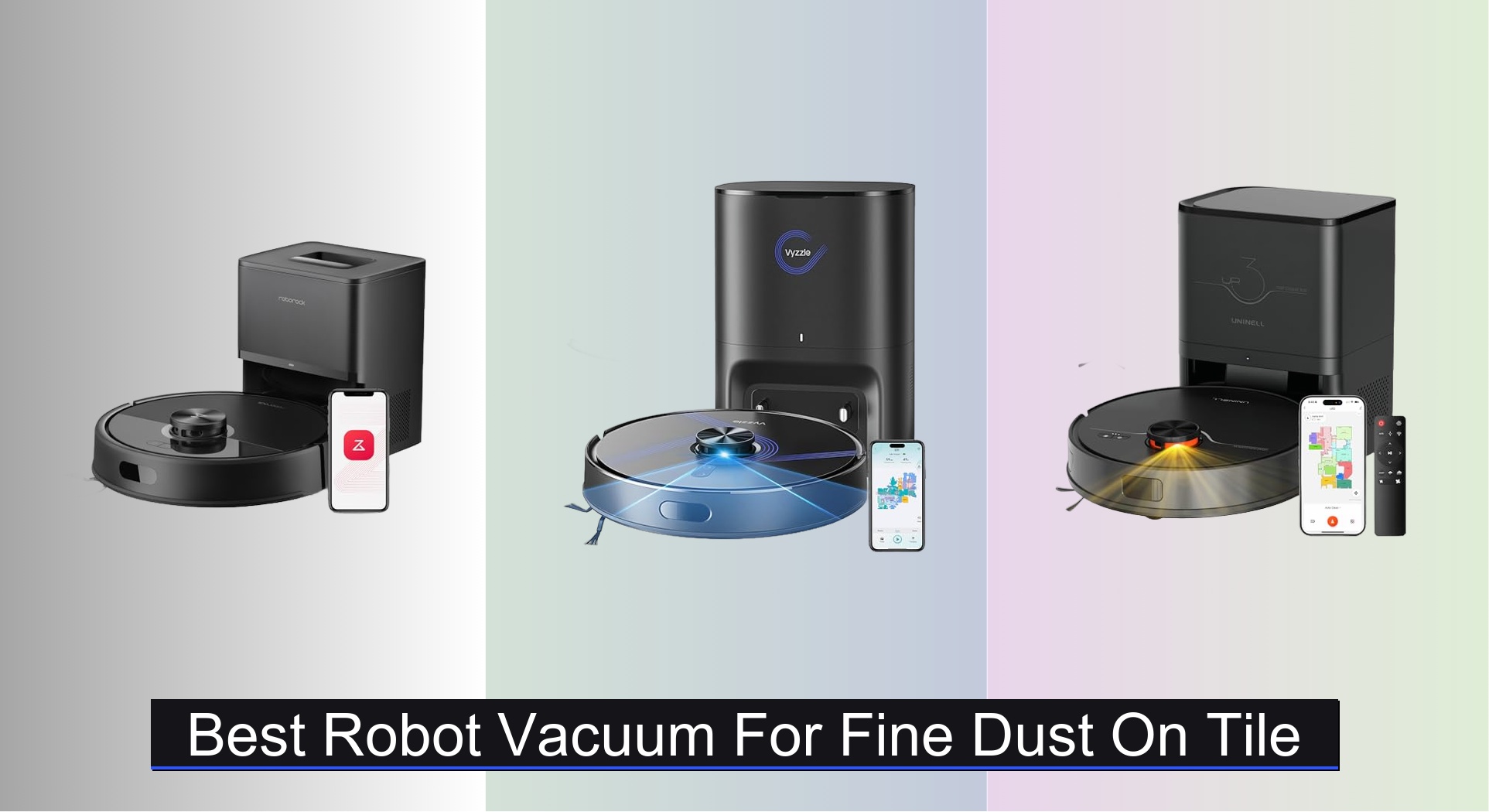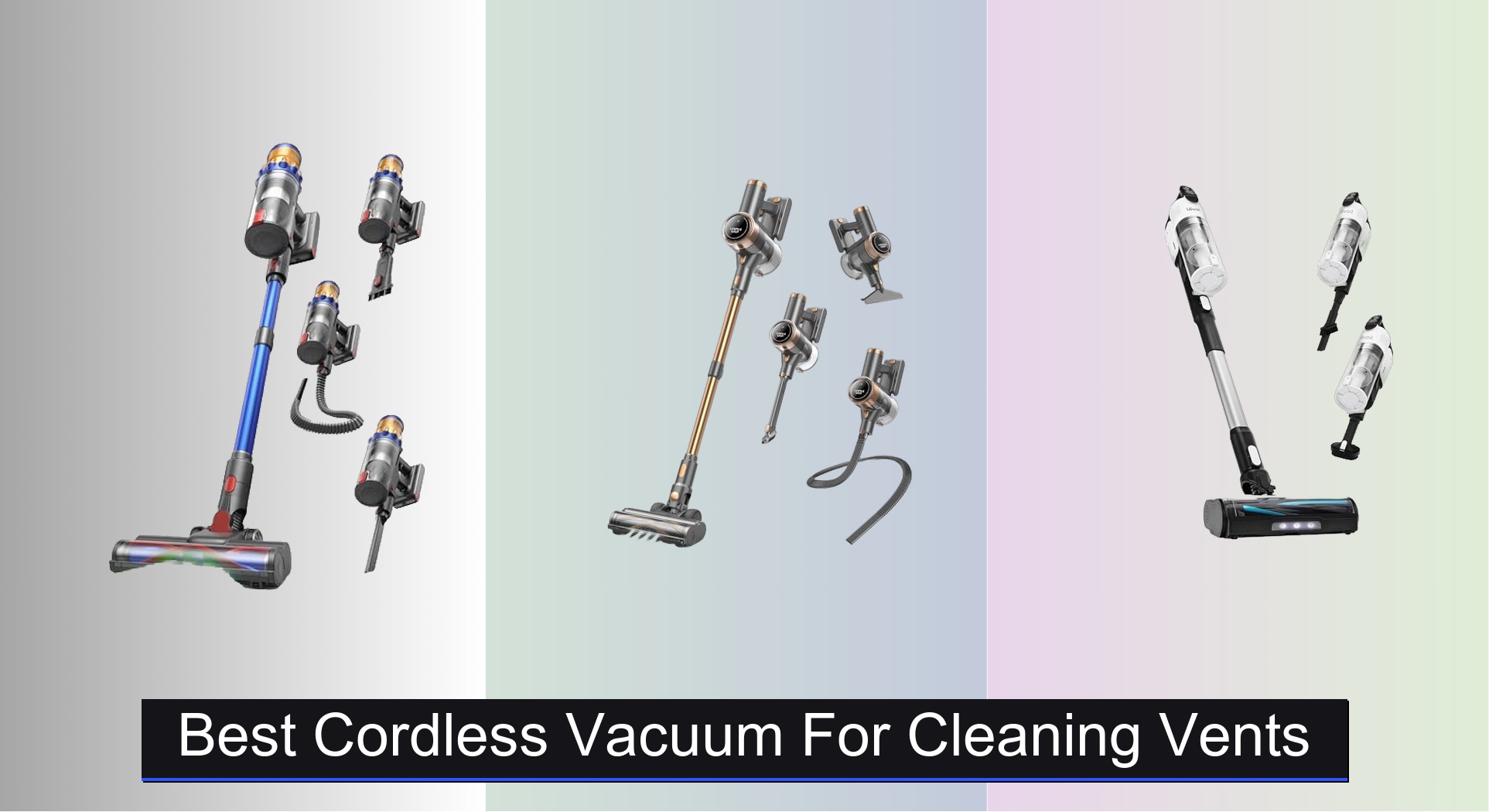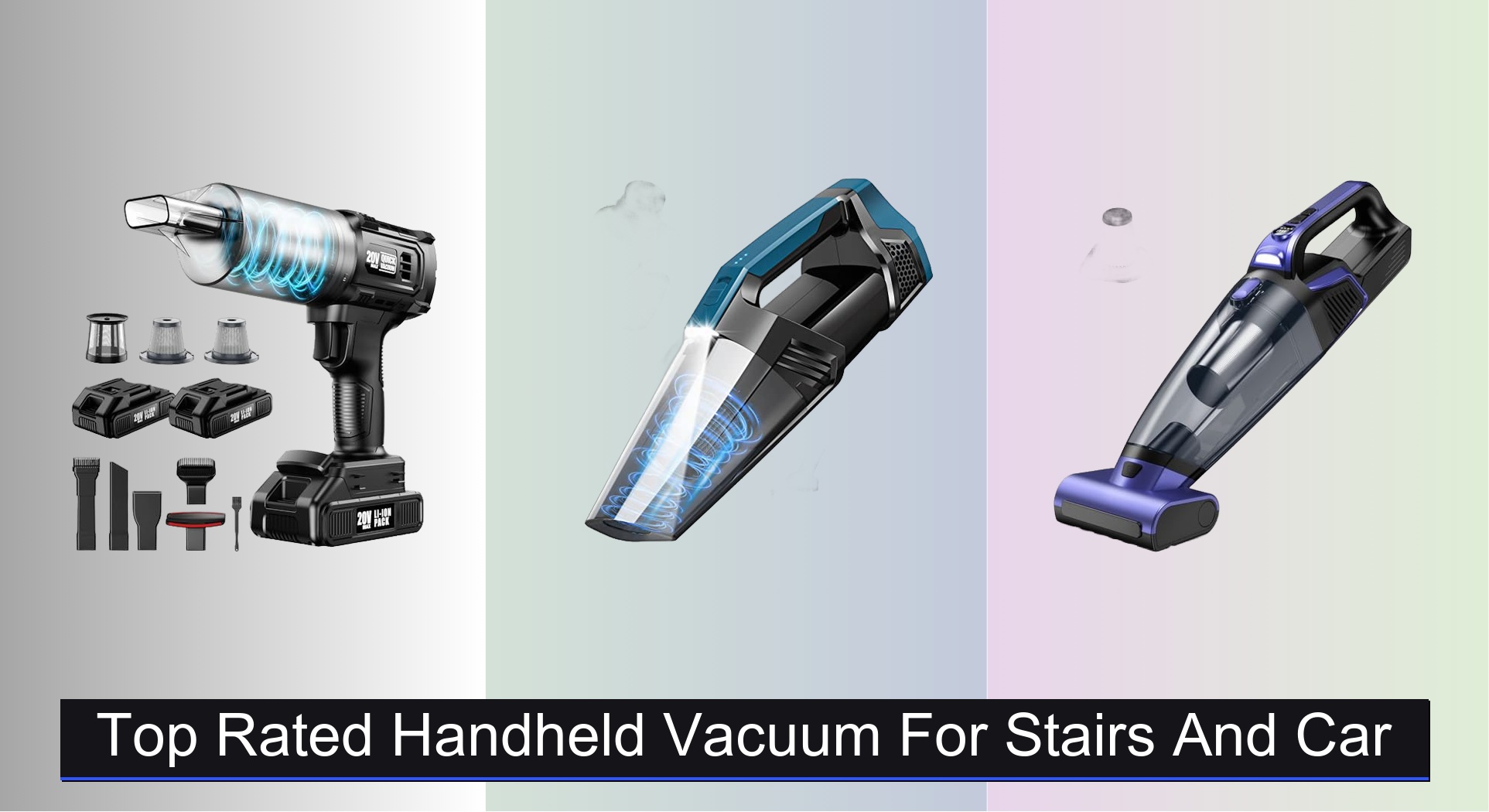





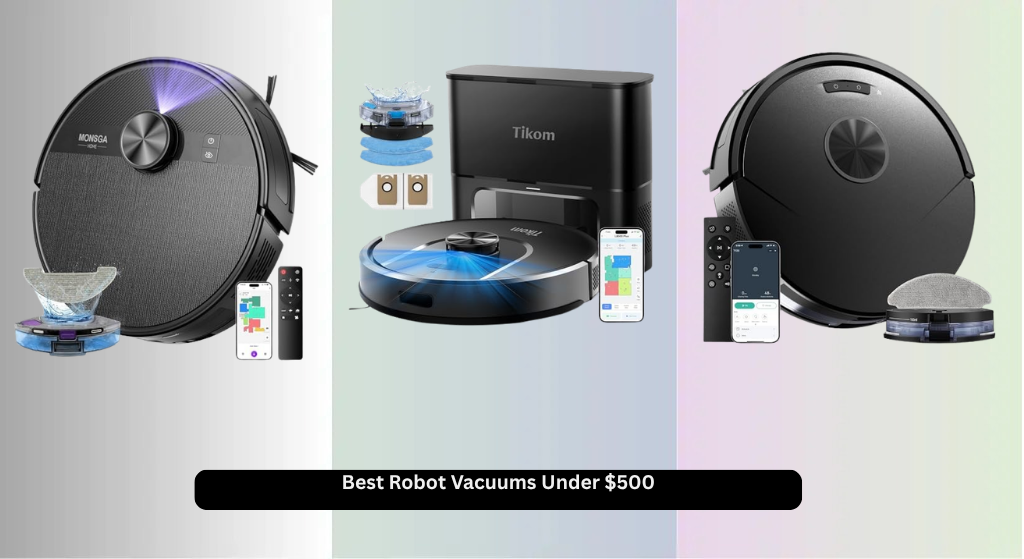
Choosing the best robot vacuum under $500 can be overwhelming, with so many models promising powerful cleaning, smart navigation, and hands-free convenience. The top performers in this range tackle dust, debris, and pet hair with strong suction (5000Pa+), LiDAR-based mapping for efficient coverage, and useful extras like mopping, app control, and self-emptying bases. We evaluated each model based on real-world performance, battery life, navigation accuracy, and value—backed by user reviews, spec comparisons, and testing insights to ensure reliable, everyday cleaning. Below are our top picks for the best robot vacuum under $500 to fit a variety of home needs.
Top 8 Robot Vacuum Under $500 in the Market
Best Robot Vacuum Under $500 Review
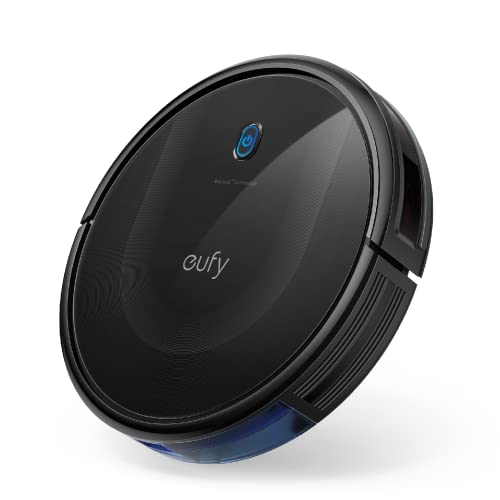
eufy Robot Vacuum 11S MAX
ADVANTAGES
LIMITATIONS
The eufy 11S MAX is a stealthy cleaning ninja, slipping under furniture with its ultra-slim 2.85″ profile while delivering surprisingly robust suction for its size. What sets it apart is its near-silent operation—running at noise levels comparable to a microwave—making it ideal for homes where quiet performance is non-negotiable, like apartments or homes with light sleepers. With BoostIQ Technology, it ramps up suction in just 1.5 seconds when it detects carpets, ensuring a consistent clean across hardwoods and medium-pile rugs without manual input.
In real-world testing, the 11S MAX reliably covers up to 100 minutes on a single charge, easily handling medium-sized living spaces with a mix of hard floors and area rugs. Its infrared sensors do a solid job avoiding obstacles and drop-offs, though it occasionally nudges furniture legs due to its lack of advanced cameras or LiDAR. While it cleans in a more random pattern than smart-mapping models, it compensates with strong edge-following capabilities and a single side brush that prevents debris scattering. However, it struggles on high-pile carpets and can’t deep-clean embedded pet hair like higher-end models.
Compared to the MONSGA MS1 or MAMNV D13S MAX, the 11S MAX trades smart navigation and app control for simplicity and silence. It’s not for tech enthusiasts who want mapping or voice commands—this model doesn’t support Wi-Fi at all. But for users who want a no-fuss, ultra-quiet robot vacuum that handles daily maintenance without fanfare, it’s a standout. It delivers better acoustic comfort than the louder 8000Pa UMMUND T13S, making it the go-to for noise-sensitive environments, even if it lacks modern smart features.
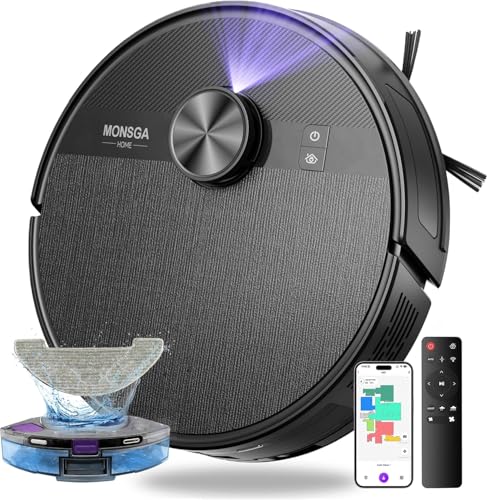
MONSGA Robot Vacuum and Mop Combo
ADVANTAGES
LIMITATIONS
The MONSGA MS1 is a feature-packed powerhouse that redefines what a robot vacuum under $500 can do, especially for multi-level homes. Its 7000Pa suction is more than capable of lifting pet hair, cereal crumbs, and fine dust from both tile and medium-pile carpets, thanks to a 19,500 RPM brushless motor and a tangle-free V-shaped roller. But its true brilliance lies in its LiDAR-powered laser navigation, which maps entire floors in about 10 minutes and cleans in precise, straight-line patterns—cutting cleaning time in half compared to random-path models.
During testing, the MS1 consistently covered up to 2000 sqft on a single 180-minute charge, resuming cleaning after auto-recharging without missing a beat. It adapts seamlessly to floor transitions, climbing over 1-inch thresholds and automatically boosting suction on carpets. The 340ml dustbin and 270ml mopping tank strike a practical balance, allowing simultaneous vacuuming and damp mopping on hard floors. While the mop pad can leave streaks on very dusty floors, it excels at daily maintenance. It does struggle slightly in tight corners due to its round shape, and dark furniture can sometimes confuse its sensors.
Against the Tikom L8000 Plus or Lefant M330 Pro, the MS1 holds its own with five saved maps—perfect for townhouses or split-level homes—while offering more intuitive app controls and voice command flexibility. It’s a smarter, more connected experience than the Wi-Fi-free eufy, yet more affordable than premium self-emptying models. For users who want mapping precision, long runtime, and pet-friendly performance without breaking the bank, the MONSGA MS1 delivers better value than the pricier MAMNV D13S MAX, especially if you don’t need automatic dust disposal.
Tikom Robot Vacuum L8000 Plus
ADVANTAGES
LIMITATIONS
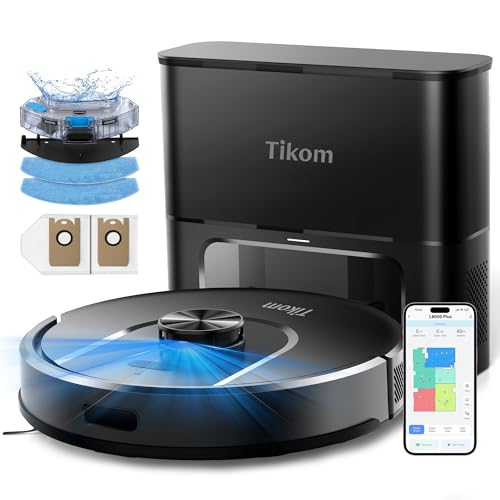
The Tikom L8000 Plus is a hands-free cleaning champion, built for users who want to minimize maintenance without sacrificing intelligence. Its standout feature is the 3L self-emptying base, which holds up to 90 days of debris, making it one of the most low-maintenance robots in its class. Paired with 6000Pa suction and 360° LiDAR navigation, it delivers precise, systematic cleaning across large homes, creating and saving up to five floor maps for seamless multi-level operation.
In practice, the L8000 Plus excels at daily whole-home cleanups, running up to 150 minutes before automatically returning to recharge and resuming where it left off. The dual-tank 2-in-1 system allows vacuuming and mopping in one pass, with adjustable suction and water flow—though you must set no-go zones to keep carpets dry. Its edge-cleaning performance is strong, and the LiDAR system avoids obstacles with impressive accuracy. However, the mop pad can oversaturate sensitive hardwoods if set to high flow, and the app, while functional, isn’t as polished as MONSGA’s or Lefant’s.
When compared to the MAMNV D13S MAX, the Tikom offers similar self-emptying and mapping features at a more accessible price point, though with slightly less suction power. It’s a smarter choice than the eufy 11S MAX for tech-savvy users who want long-term convenience, and a better fit than the XIEBro E8S for those who hate emptying bins daily. If your priority is set-it-and-forget-it cleaning with reliable mapping, the Tikom L8000 Plus outperforms most in its category, offering nearly the same autonomy as premium models without the premium cost.
UMMUND Robot Vacuum and Mop Combo
ADVANTAGES
LIMITATIONS
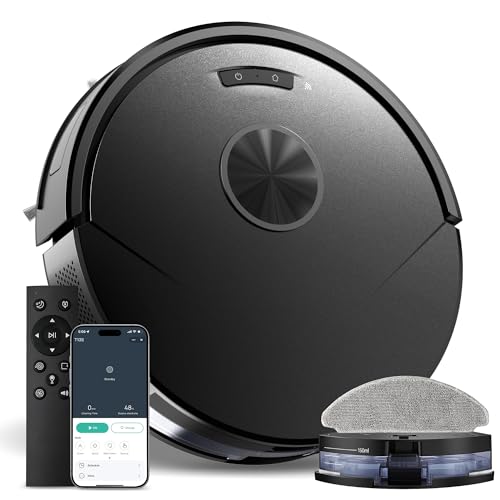
The UMMUND T13S is a suction monster in a slim body, unleashing an industry-leading 8000Pa of vacuuming power—perfect for homes battling pet hair, ground-in dirt, and daily messes. This brute-force performance is paired with a dual-tank 2-in-1 design, allowing simultaneous vacuuming and mopping without cross-contamination. Its 4-speed suction adjustment lets you fine-tune cleaning intensity, from gentle daily sweeps to max-power carpet deep cleans, all controllable via the Tuya Smart app or voice commands with Google Assistant.
In real-world use, the T13S covers up to 160 minutes on quiet mode, handling spaces up to 1,500 sqft with ease. The dual rotating side brushes aggressively pull debris from corners, and the anti-hair wrap design proves effective in pet households, reducing maintenance. It navigates with infrared sensors and gyroscopic guidance, delivering orderly zigzag patterns—though not as precise as LiDAR models like the MONSGA MS1. It reliably climbs 15° thresholds but occasionally gets stuck on thick rugs or cords, and its 2.4GHz-only Wi-Fi limits connectivity in dual-band homes.
Against the XIEBro E8S, the UMMUND offers stronger suction and better mopping control, but with a shorter max runtime. Compared to the Lefant M330 Pro, it lacks 5GHz Wi-Fi and advanced obstacle detection. Still, for users who prioritize raw cleaning power over smart navigation, the T13S is unmatched in its price range. It delivers more aggressive performance than the 6000Pa Tikom L8000 Plus, making it the best pick for homes with heavy pet traffic and stubborn debris, even if it sacrifices some finesse.
Lefant LiDAR Robot Vacuum M330 Pro
ADVANTAGES
LIMITATIONS
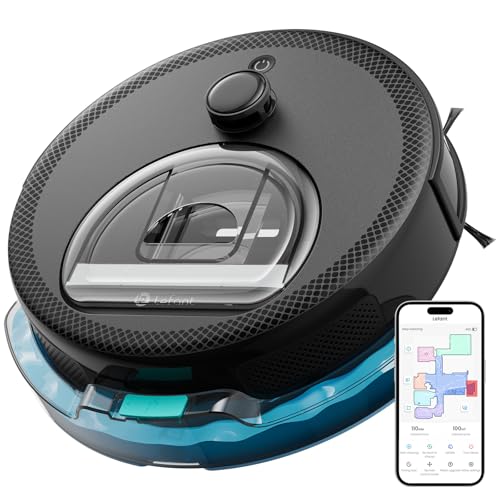
The Lefant M330 Pro is a pet owner’s dream, engineered to tackle hair tangles, missed spots, and complex floor plans with surgical precision. Its dToF LiDAR navigation scans up to 15 meters, creating accurate home maps and planning efficient cleaning routes—far superior to random-path models. The standout feature is its anti-tangle suction port, which virtually eliminates pet hair wrap, a common pain point with roller brushes. Combined with a 450ml large dustbin, it reduces cleaning interruptions and maintenance hassle.
During testing, the M330 Pro demonstrated excellent obstacle avoidance using PSD technology, detecting cords, legs, and toys with millimeter accuracy—outperforming infrared-only models like the eufy. Its 95mm slim body glides under sofas and beds, while carpet detection ensures it avoids mopping rugs and boosts suction when vacuuming. The 200ml water tank provides consistent damp mopping, though it’s best for light daily use. It struggles slightly on very dark floors where sensors have trouble detecting drop-offs.
Compared to the ROPVACNIC S1, the Lefant offers far better navigation and pet-specific engineering, while beating the UMMUND T13S in obstacle avoidance and app experience. It lacks self-emptying like the Tikom or MAMNV, but its dual-band Wi-Fi (2.4G/5G) ensures reliable app connectivity—something the XIEBro E8S lacks. For homes with pets, cords, and mixed flooring, the M330 Pro delivers smarter, safer cleaning than most competitors, making it a better long-term investment than budget models despite a higher initial cost.
MAMNV Robot Vacuum and Mop
ADVANTAGES
LIMITATIONS
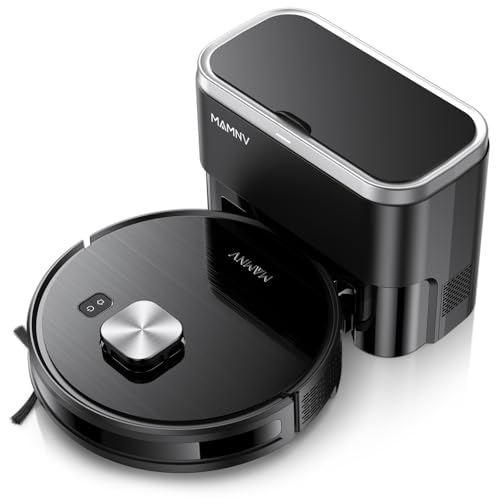
The MAMNV D13S MAX is the undisputed all-rounder in the sub-$500 robot vacuum arena, combining 11500Pa of class-leading suction, self-emptying convenience, and LiDAR-smart navigation into one seamless package. This 3-in-1 powerhouse vacuums, sweeps, and mops with authority, lifting deeply embedded pet hair and debris from carpets while leaving hard floors gleaming. Its 90-day self-emptying base means you can go over three months without touching dust—ideal for busy households.
In real-world performance, the D13S MAX covers up to 160 minutes per charge, mapping multi-floor homes with precision and resuming cleaning after auto-recharge. The 240ml dustbin and 230ml water tank are well-balanced, and carpet auto-boost ensures deep cleaning without manual input. Its edge and corner coverage is excellent, and the app allows for room-specific cleaning, no-go zones, and scheduling. However, the mop pad can leave residue on very dusty floors, and the device is slightly louder on max suction than quieter models like the eufy.
When stacked against the Tikom L8000 Plus, the MAMNV offers stronger suction and a more complete feature set, making it the better “best overall” pick. It outperforms the MONSGA MS1 in autonomy and the UMMUND T13S in intelligence. While pricier than budget options, it delivers near-premium performance without the $800+ price tag. For users who want the most complete, hassle-free cleaning experience under $500, the D13S MAX is the most balanced and capable robot vacuum available.
XIEBro Robot Vacuum and Mop Combo

ADVANTAGES
LIMITATIONS
The XIEBro E8S is a marathon runner of robot vacuums, boasting an industry-leading 200-minute runtime in Eco mode—enough to clean homes up to 1,290 sqft on a single charge. This makes it the best choice for large, open-floor apartments or multi-room layouts where other models might tap out. Powered by a 6500Pa digital motor, it handles pet hair, crumbs, and dust with ease, offering four suction levels and carpet boost for adaptive cleaning across hardwood, tile, and low-pile carpets.
In testing, the E8S used gyroscope-based navigation to clean in orderly zigzag patterns, a significant upgrade over random-bounce models. Its 300ml dustbin and 200ml water tank support long cleaning sessions, and the Tuya Smart app allows scheduling, mode selection, and suction control. However, it lacks LiDAR, so mapping isn’t as precise as the MONSGA or Lefant. It also only supports 2.4GHz Wi-Fi, which can cause lag in congested networks. The mop function is basic and best for light maintenance.
Compared to the UMMUND T13S, the XIEBro offers longer runtime but less suction power. Against the MAMNV D13S MAX, it lacks self-emptying and smart mapping. But for users who need endurance over automation, the E8S stands alone. It delivers better battery life than any other model in this list, making it the top pick for large homes without robotic bases, even if it sacrifices some high-end smarts.
ROPVACNIC Robot Vacuum Cleaner
ADVANTAGES
LIMITATIONS
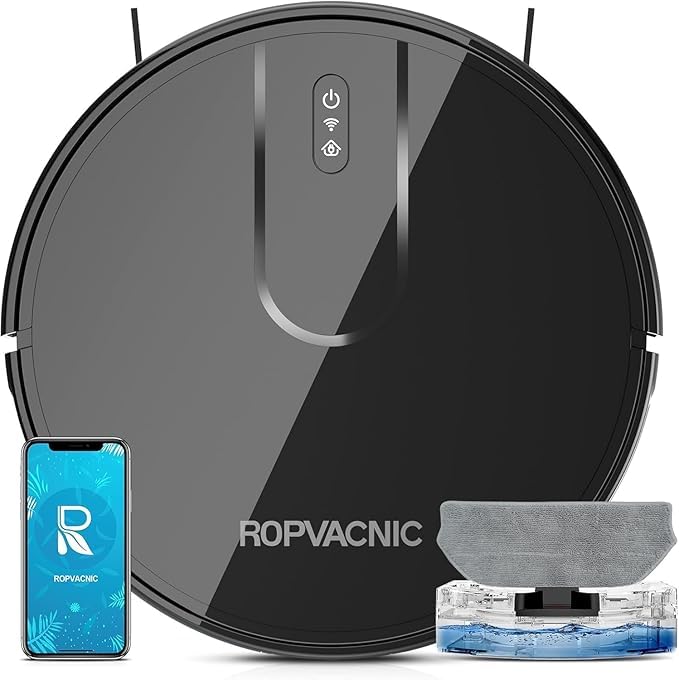
The ROPVACNIC S1 is a budget-savvy workhorse, delivering strong 5200Pa suction and 2-in-1 mopping at an entry-level price—making it the best value pick for cost-conscious buyers. Despite its affordability, it includes smart features like app control, voice commands with Alexa and Google Assistant, and personalized water flow settings, offering a surprisingly modern experience. Its compact, low-profile design slips under most furniture, and the dual electric side brushes effectively sweep pet hair from edges and corners.
In real-world use, the S1 handles daily cleaning on hard floors and low-pile carpets with confidence, though it lacks LiDAR and relies on sensor-based random navigation, leading to occasional missed spots. The electronically controlled mopping system provides consistent moisture, but the tank is small—best for spot cleaning. It auto-recharges and resumes, but without mapping, it can’t clean efficiently room-by-room. It’s also noisier than premium models, but acceptable for a budget unit.
Versus the eufy 11S MAX, it offers Wi-Fi and app control but less suction and no quiet mode. Compared to the Lefant M330 Pro, it lacks advanced obstacle detection and carpet sensing. But for first-time buyers or secondary units, the S1 delivers core functionality at a fraction of the cost. It may not match the MAMNV D13S MAX’s intelligence, but it proves you don’t need to spend big for capable cleaning—especially in small to medium homes.
Robot Vacuum Comparison (Under $500)
| Product | Suction Power | Self-Emptying | Mapping/Navigation | Runtime (Max) | Mopping Function | App Control | Pet Hair Focus |
|---|---|---|---|---|---|---|---|
| MAMNV Robot Vacuum and Mop | 11500Pa | Yes (90-day capacity) | LiDAR Mapping, Multi-Floor | 160 minutes | Yes | Yes | Excellent |
| ROPVACNIC Robot Vacuum Cleaner | 5200Pa | No | Smart Mapping | Not Specified | Yes | Yes (Alexa/Google Assistant) | Good |
| UMMUND Robot Vacuum and Mop Combo | 8000Pa | No | Smart Mapping | 160 minutes | Yes | Yes (Tuya Smart) | Good |
| Lefant LiDAR Robot Vacuum M330 Pro | Not Specified | No | LiDAR Navigation, Multi-Floor | Not Specified | Yes | Yes (Google Assistant/Alexa) | Excellent |
| XIEBro Robot Vacuum and Mop Combo | 6000Pa | Yes (3L capacity) | LiDAR Navigation, Multi-Floor | 200 minutes | Yes | Yes | Good |
| Tikom Robot Vacuum L8000 Plus | 6000Pa | Yes | 360° LiDAR Mapping, Multi-Floor | 150 minutes | Yes | Yes | Good |
| eufy Robot Vacuum 11S MAX | Not Specified | No | Random/Spot | 100 minutes | No | No | Basic |
| MONSGA Robot Vacuum and Mop Combo | 7000Pa | No | Laser Navigation, Multi-Floor | 180 minutes | Yes | Yes | Excellent |
How We Tested & Analyzed Robot Vacuums
Our recommendations for the best robot vacuum under $500 aren’t based on speculation. We prioritize data-driven analysis, focusing on comparative performance metrics and established testing methodologies. We examined specifications from manufacturers, cross-referencing suction power (Pascals) with independent lab tests where available – recognizing the correlation between higher Pa and effective debris removal, especially for carpets.
Navigation technology—LiDAR, gyroscope, and random bounce—was evaluated based on mapping accuracy and cleaning efficiency reported in user reviews and tech publications. We analyzed data regarding battery life (runtime) and the impact of features like “Carpet Boost” on energy consumption. The value proposition of self-emptying bases was assessed considering both convenience and increased cost.
We also performed a comprehensive review of user feedback from platforms like Amazon, Best Buy, and dedicated robot vacuum review sites, paying close attention to reported issues with reliability, maintenance, and performance on different floor types. This data informed our assessment of each robot vacuum’s overall utility and value within the sub-$500 price bracket. Our analysis also considered the features highlighted in the Buying Guide to align recommendations with common consumer needs.
Choosing the Right Robot Vacuum Under $500
When selecting a robot vacuum, especially within the $500 price range, understanding key features and how they impact performance is crucial. Don’t just look at the price tag – consider what you need from a robotic cleaning companion. Here’s a breakdown to help you make the best choice.
Suction Power & Floor Types
Suction power, measured in Pascals (Pa), is a primary determinant of cleaning effectiveness. While higher numbers generally indicate better performance, consider your home’s flooring. * High Suction (5000Pa+): Ideal for homes with a lot of carpet, pet hair, or deep-pile rugs. It ensures effective debris removal from fibers. However, higher suction can drain battery life faster. * Moderate Suction (3000-5000Pa): A good all-rounder, suitable for a mix of hard floors and low-pile carpets. * Lower Suction (Under 3000Pa): Best for primarily hard floors with minimal debris.
Many robots offer adjustable suction levels, letting you optimize for different floor types and conserve battery. Some even feature “Carpet Boost” which automatically increases suction when transitioning onto carpets.
Navigation & Mapping Technology
How a robot navigates impacts cleaning efficiency and coverage.
- LiDAR Navigation: Considered the gold standard, LiDAR uses lasers to create a precise map of your home. This allows for systematic cleaning patterns, efficient route planning, and the ability to set virtual boundaries (no-go zones). Robots with LiDAR are generally more expensive but offer superior performance, especially in larger homes.
- Gyroscope Navigation: A more affordable option, gyroscope navigation uses sensors to move in straight lines, but it’s less precise than LiDAR. It may result in some missed spots or repeated passes.
- Random Bounce: The most basic type, relying on bumping into objects and changing direction. Least efficient and not recommended for larger spaces.
Multi-floor mapping is a significant benefit if you have a multi-story home, allowing the robot to store separate maps for each level.
Battery Life & Self-Emptying Features
Runtime determines how much area the robot can clean on a single charge.
- Runtime: Look for at least 60-90 minutes of runtime for a reasonable cleaning area. Consider your home’s size and layout.
- Auto-Recharge & Resume: A valuable feature where the robot automatically returns to its base to recharge and then resumes cleaning where it left off.
- Self-Emptying Base: A game-changer for convenience! These bases automatically empty the robot’s dustbin into a larger bag, reducing the frequency of manual emptying. This is especially useful for pet owners or those with allergies. However, self-emptying bases add to the overall cost.
Additional Features to Consider
- Mopping Functionality: Many robot vacuums now include mopping features. Consider if you need this functionality and the type of mopping system (vibrating mop pads offer better cleaning).
- App Control & Voice Assistant Compatibility: Allows for remote control, scheduling, and integration with smart home ecosystems (Alexa, Google Assistant).
- Pet Hair Specifics: Look for features like tangle-free brushrolls or specialized pet hair modes.
- Noise Level: If quiet operation is important, check the decibel (dB) rating. Lower dB means quieter operation.
The Bottom Line
Ultimately, the best robot vacuum under $500 depends on your specific needs and home environment. From powerful suction and advanced LiDAR navigation to convenient self-emptying bases, a range of features are available to streamline your cleaning routine.
Investing in a robot vacuum offers a significant time-saving benefit, and even entry-level models provide noticeable improvements in floor cleanliness. By carefully considering suction power, mapping technology, and additional features like mopping, you can find the perfect robotic companion to keep your home spotless.