
We’ve all been there—standing in the middle of a store aisle or scrolling through endless pages on Amazon, staring at dozens of vacuum cleaners that all look like they belong in a sci-fi movie. Some are tall and bulky, some are tiny and round, and others look like high-tech sticks.
It’s easy to think, “It’s just a vacuum, it sucks up dirt, how different can they be?” But if you’ve ever tried to haul a heavy upright vacuum up a narrow flight of stairs or realized your cordless vacuum died when you were only halfway through the living room, you know that the type of vacuum matters a lot.
The best vacuum cleaner isn’t the most expensive one; it’s the one that fits your home’s layout, your flooring, and your lifestyle. Let’s break down the options so you can figure out which one will actually make your life easier.
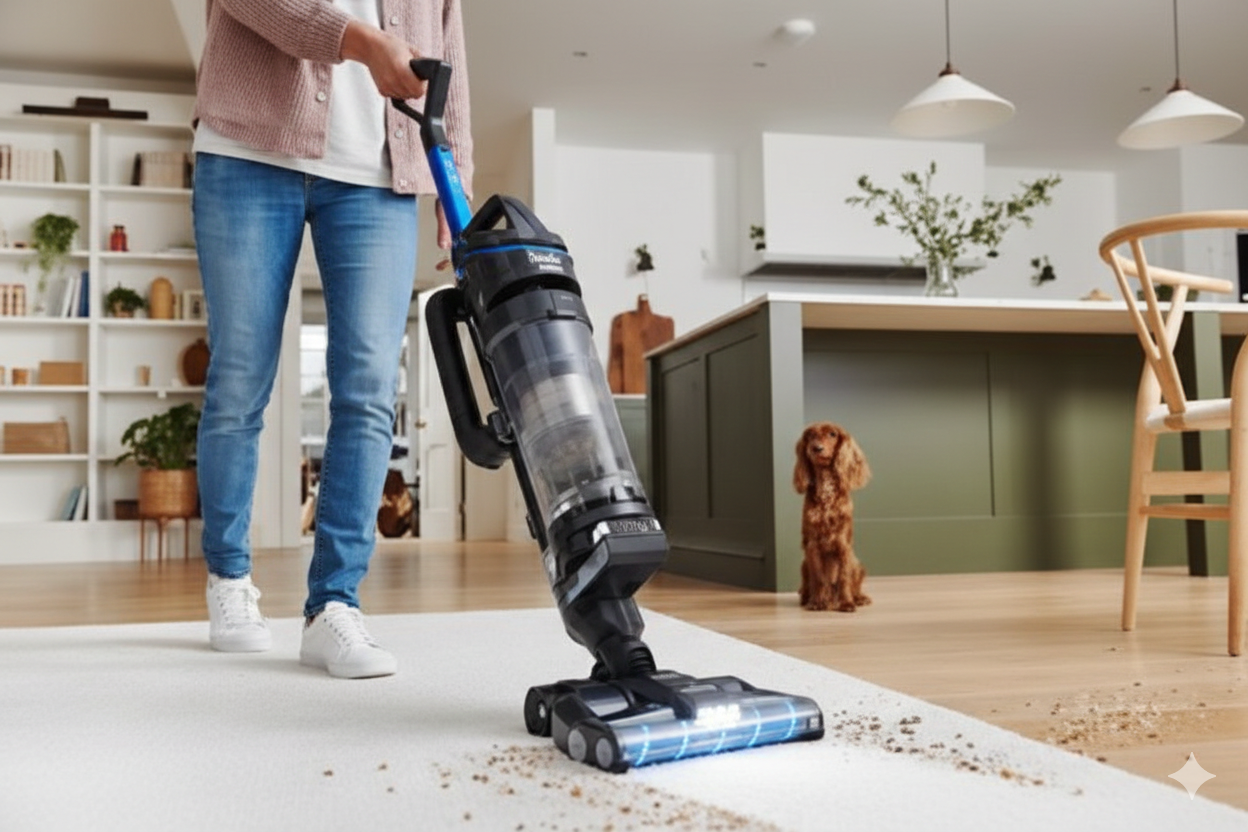
1. The Upright Vacuum: The Heavy-Duty Workhorse
If you grew up in a home with lots of wall-to-wall carpeting, this is probably what you’re used to. Upright vacuums are the classic choice. They stand tall, and you push them in front of you.
Best for: Large homes with lots of carpets and rugs.
Uprights usually have powerful “brush rolls” (the spinning brushes at the bottom) that dig deep into carpet fibers to pull out dust and hair. They are generally corded, meaning you never have to worry about a battery dying in the middle of a deep clean.
- The Downside: They can be heavy. If you have to carry it between floors, it can feel like a workout. They also struggle to get into tight corners or deep under low furniture like beds or sofas.
2. The Canister Vacuum: The Versatile All-Rounder
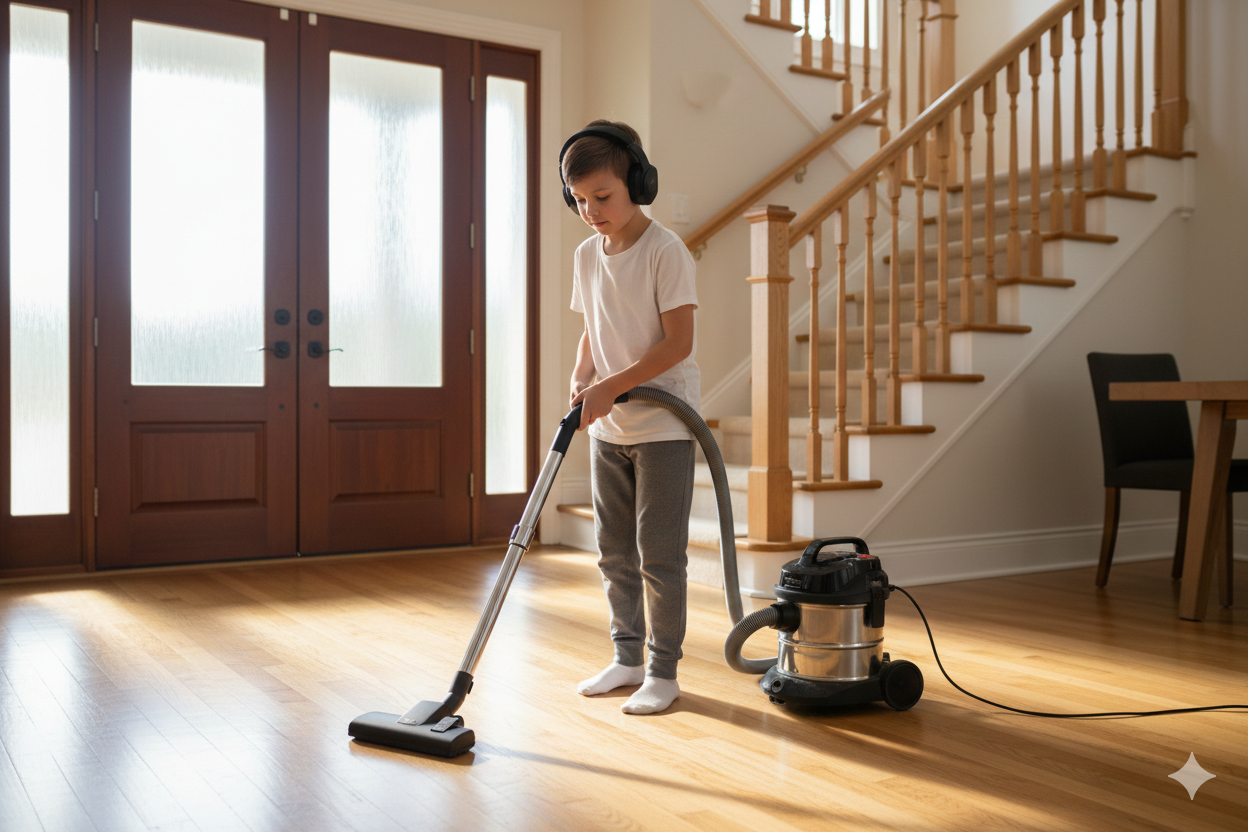
A canister vacuum has a cleaning head attached to a long hose, which connects to a separate tank (the canister) that holds the motor and the bag. You pull the canister behind you as you move.
Best for: Homes with a mix of stairs, hardwood floors, and delicate rugs.
Because the cleaning head is light and the hose is flexible, these are amazing for cleaning stairs. You can leave the canister at the bottom and reach halfway up the flight. They also usually come with different attachments for curtains, upholstery, and hard floors, making them more versatile than most uprights.
- The Downside: They can be a bit awkward to store because of the long hose, and some people find it annoying to have the canister “following” them and occasionally bumping into furniture.
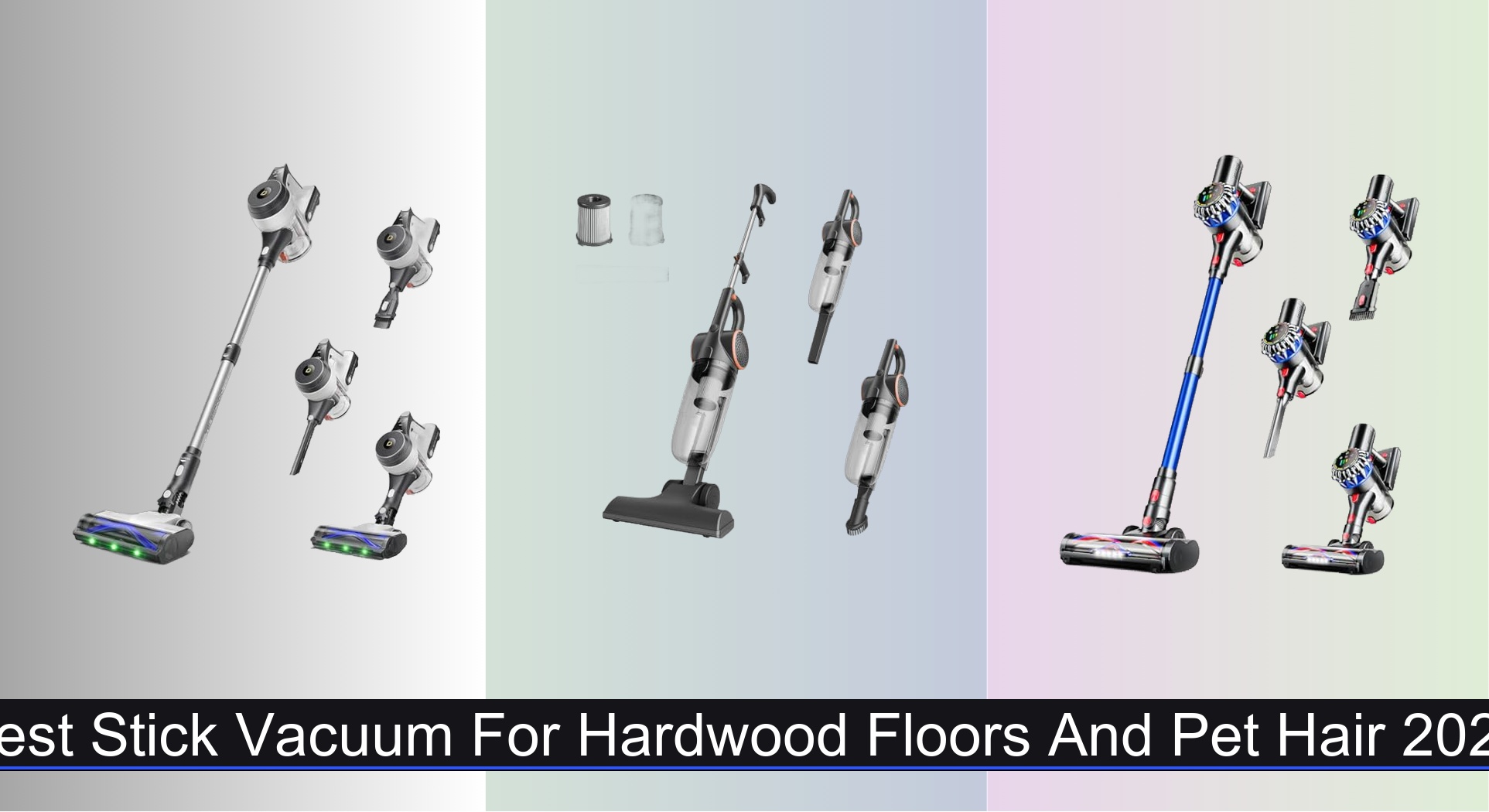
3. The Stick Vacuum: The Modern Lightweight Favorite
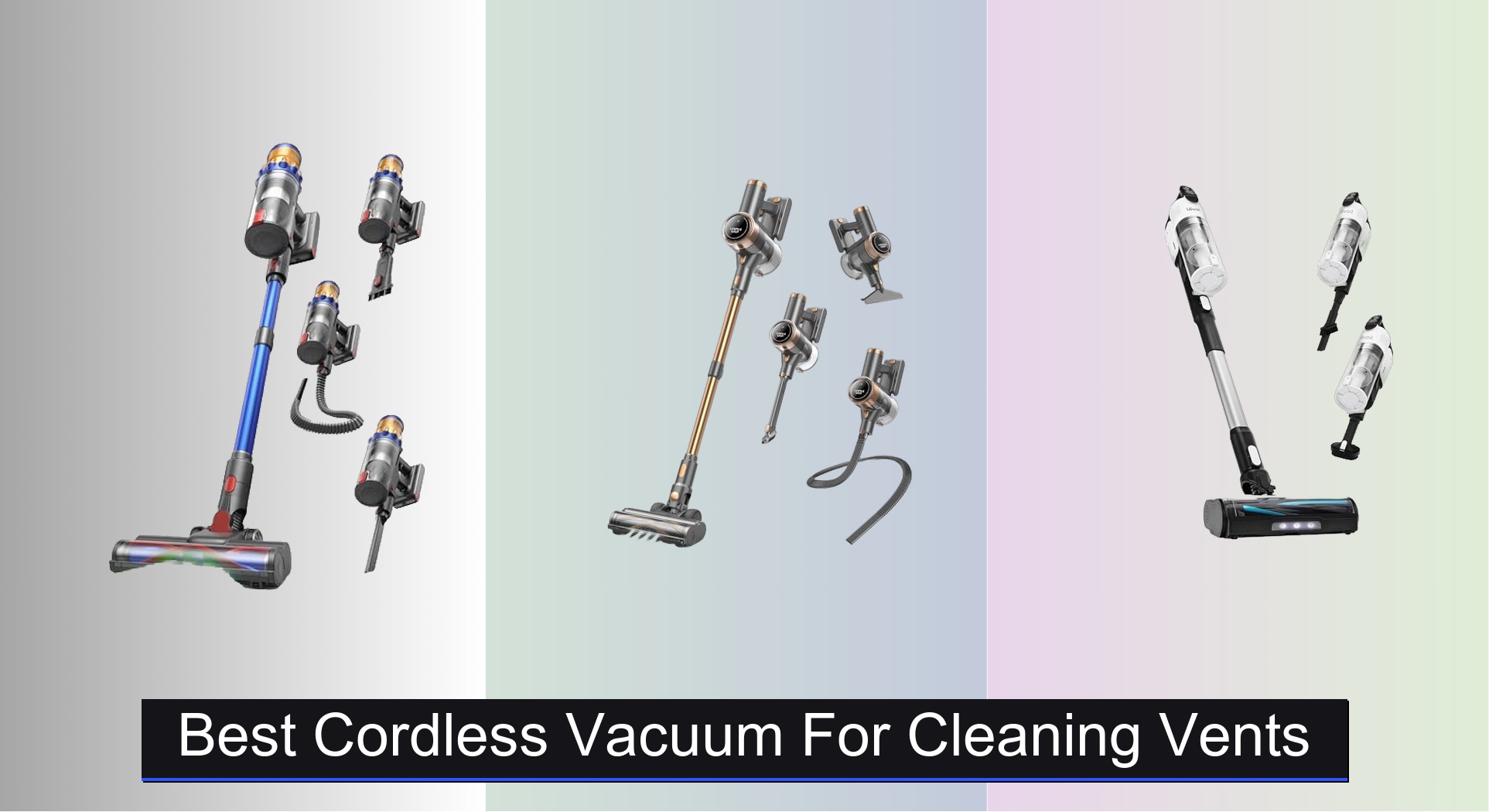
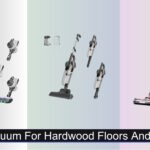
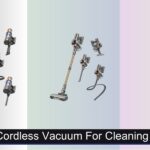
Stick vacuums have exploded in popularity recently, thanks to brands like Dyson and Shark. They are thin, lightweight, and usually cordless.
Best for: Small apartments, quick daily clean-ups, and people who hate heavy lifting.
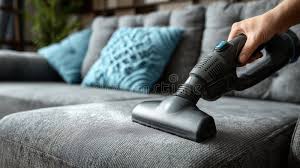
If you have a “spill-prone” home (kids dropping cereal, sand from shoes), a stick vacuum is a lifesaver. You can grab it off the wall, zip through the kitchen, and put it back in two minutes. Most of them also “transform” into handheld vacuums for cleaning the car or the sofa.
- The Downside: Battery life. If you have a 3,000-square-foot house, a cordless stick vacuum might run out of juice before you finish. Also, their dust bins are smaller, so you’ll be emptying them more often.
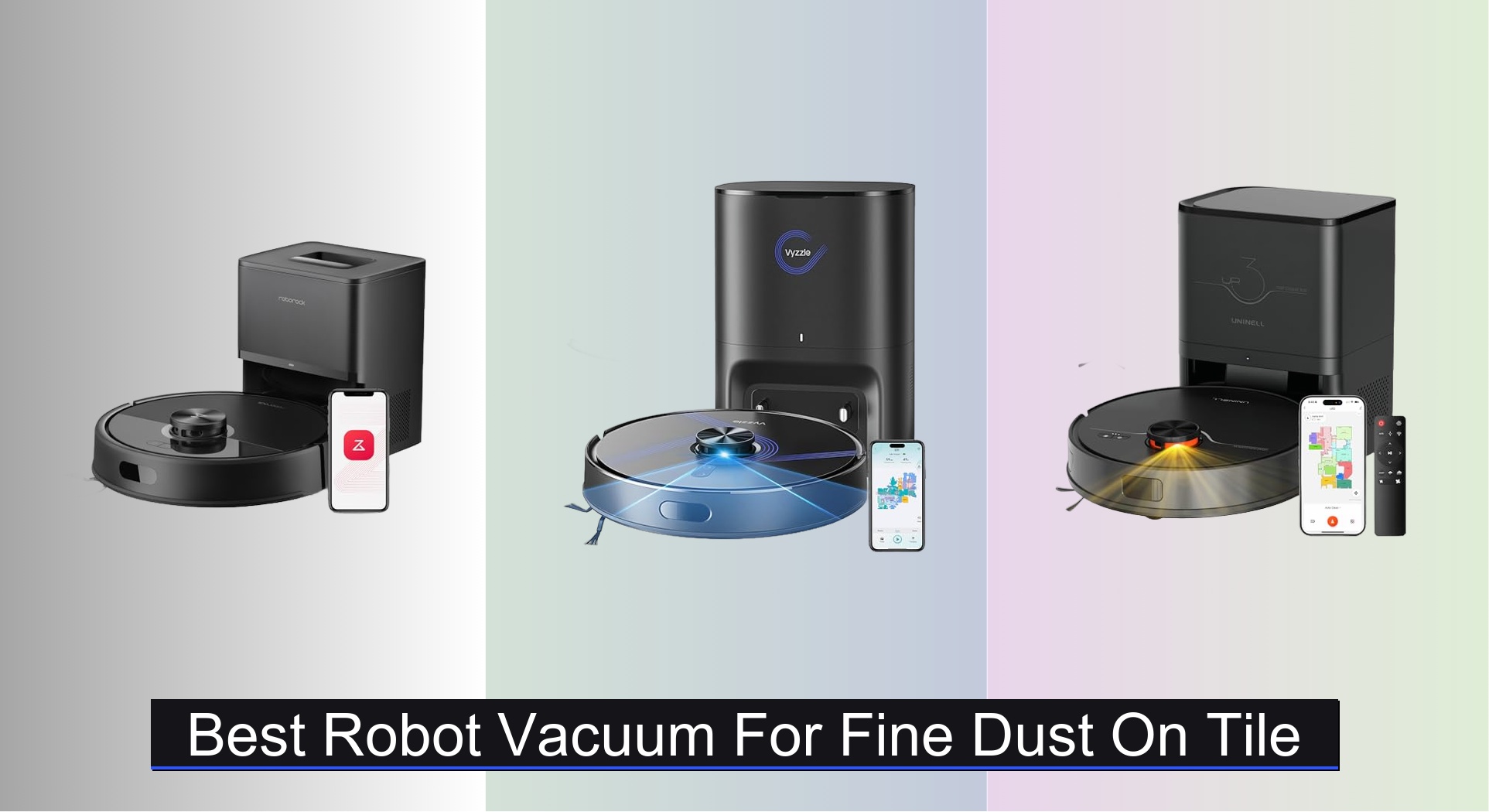
4. The Robot Vacuum: The “Set It and Forget It” Helper
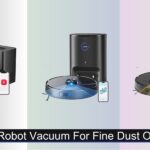
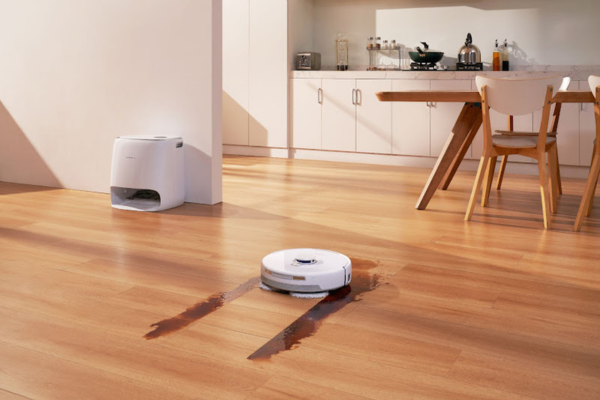
We aren’t quite at The Jetsons level of robots yet, but we’re close. Robot vacuums are small, disc-shaped machines that roam your house on their own, mapping out the floor and sucking up debris.
Best for: Busy people who want to maintain a baseline of cleanliness without lifting a finger.
These are great for picking up daily pet hair and dust. You can schedule them to run while you’re at work or sleeping. Many modern ones even empty their own dust bins into a base station.
- The Downside: They aren’t meant for “deep cleaning.” They can’t do stairs, and they sometimes get stuck on thick rugs or tangled in phone chargers. Think of them as a way to stay clean between your bigger cleaning days.
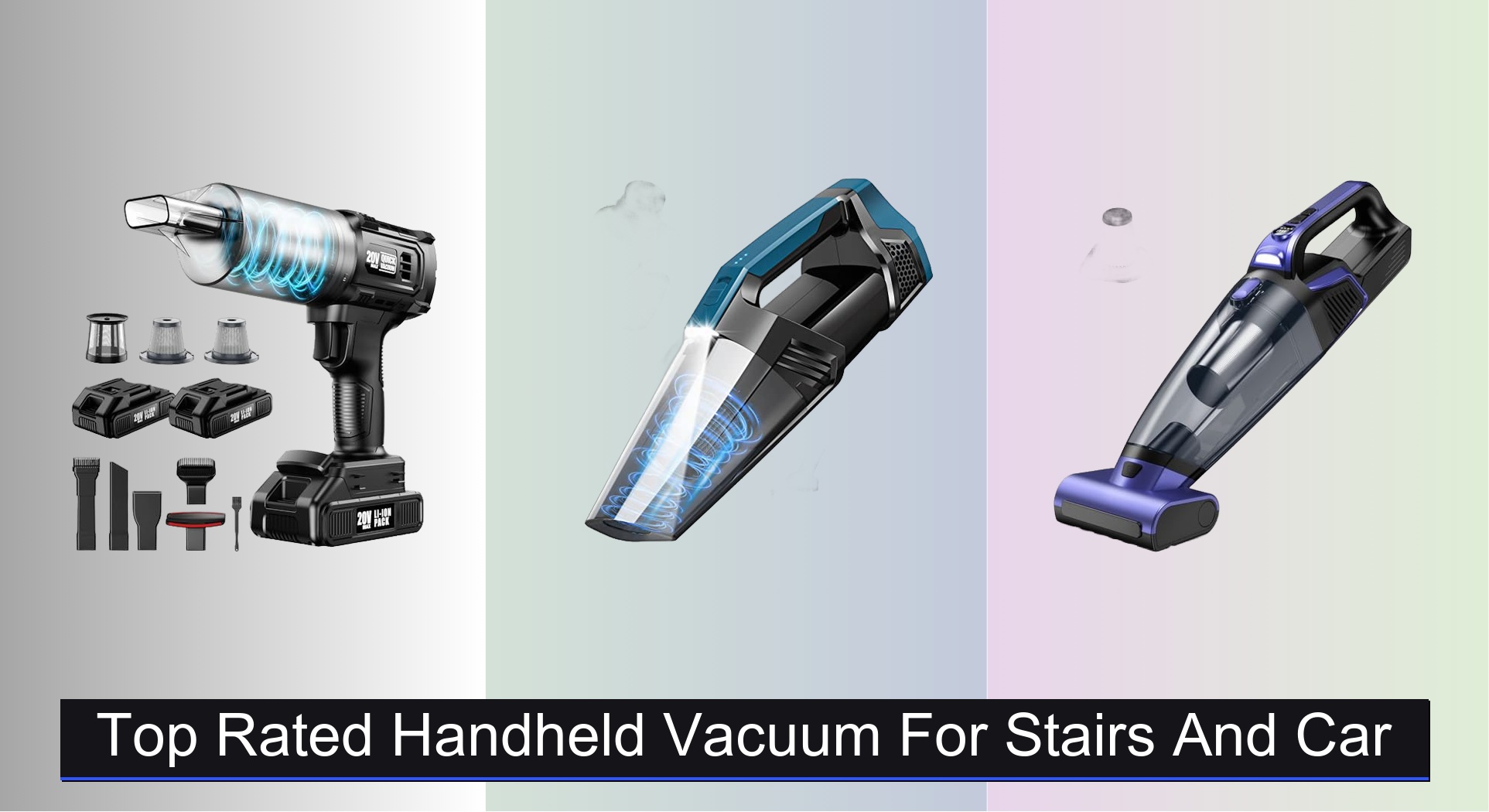
5. Handheld Vacuums: For the Little Messes
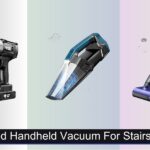
These are tiny, battery-operated units designed to be held in one hand.
Best for: Cars, couch cushions, and keyboards.
You wouldn’t clean a whole floor with this, but for getting crumbs out of a car seat or cleaning up a knocked-over plant, they are perfect.
- The Downside: Very limited suction power and tiny bins. They are strictly for “spot cleaning.”
How to Choose: Ask Yourself These 4 Questions
If you’re still torn, run through this quick checklist to narrow it down:
1. What’s on your floor?
If you have 90% carpet, get a powerful Upright. If you have mostly hardwood or tile with a few rugs, a Canister or a high-end Stick vacuum will be much better, as they won’t scratch your floors.
2. Do you have pets?
Pet hair is the ultimate vacuum killer. If you have a shedding dog or cat, look specifically for “Pet Pro” models. These have special brush rolls that prevent hair from wrapping around the brush and clogging the machine.
3. Do you have allergies?
This is a big one. If you or your kids suffer from allergies, you must look for a vacuum with a HEPA filter. This ensures that the dust and pollen the vacuum sucks up stays inside the machine instead of being blown back out into the air through the exhaust.
4. Stairs or Flat?
If you live in a multi-story home, weight is your biggest enemy. A lightweight Stick vacuum or a Canister is much safer and easier than trying to balance a heavy upright on a narrow step.
A Note on Bagged vs. Bagless
This is an old debate, but it’s still relevant:
- Bagless: Convenient because you don’t have to keep buying bags. You just dump the bin in the trash. However, dumping the bin can release a cloud of dust back into the air.
- Bagged: Better for allergy sufferers. All the dirt is sealed in a bag. When it’s full, you pull it out and toss it. No dust clouds, but it is an ongoing cost.
Final Thoughts
Buying a vacuum cleaner feels like a “boring” adult task, but getting the right one actually changes how you feel about your home. There’s a certain peace of mind that comes with a floor that feels clean under your bare feet.
If you’re looking for a recommendation, start by looking at your largest room. Does it have a thick carpet? Go for power. Is it all hardwood? Go for maneuverability. Once you match the tool to the task, cleaning won’t feel like such a chore anymore.
Happy cleaning—you’ve got this!