
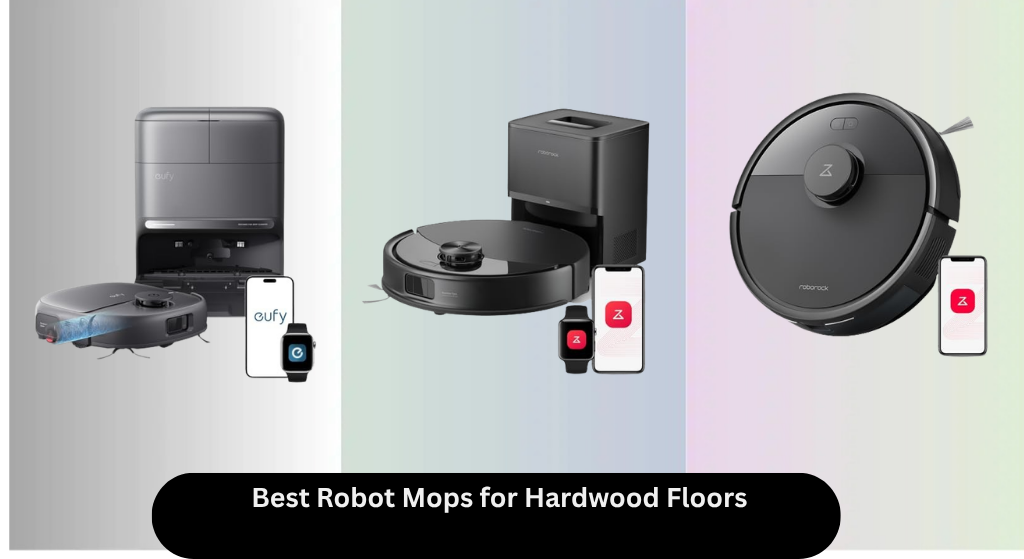
Hardwood floors scratch easily and can warp from excess moisture, making it tough to find a robot mop that cleans effectively without causing damage. The best robot mops for hardwood floors combine gentle, controlled mopping systems—like vibrating pads or precision water flow—with strong suction and smart navigation to clean thoroughly while protecting your floors. Our top picks are chosen based on rigorous evaluation of performance, user reviews, water control accuracy, and floor-safe features, ensuring reliability and long-term value. Below are our recommended robot mops that deliver spotless results on hardwood without the risk.
Top 8 Robot Mop For Hardwood Floors in the Market
Best Robot Mop For Hardwood Floors Review
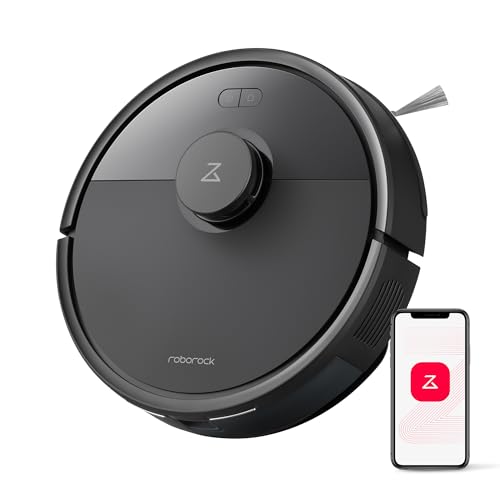
Roborock Q7 L5 Robot Vacuum
ADVANTAGES
LIMITATIONS
This workhorse of a robot mop brings serious cleaning credibility to hardwood floors with its 8,000Pa HyperForce suction and dual anti-tangle brushes that tackle dust, pet hair, and stubborn debris without missing a beat. The LiDAR navigation is laser-precise, mapping your home in real time and planning efficient routes that actually make sense—no more random zigzags or missed corners. For homeowners tired of babysitting their robot, this one stands out with smart no-go zone suggestions and seamless multi-level mapping, making it an excellent fit for cluttered or multi-room layouts where precision matters.
In real-world testing, the Q7 L5 shines brightest on open hardwood expanses, where its 270ml water tank delivers consistent moisture across sticky spills and footprints without over-saturating. It handles transitions to low-pile rugs smoothly, though the mop pad stays down unless manually lifted—meaning you’ll need to set virtual barriers if you have area rugs. While the integrated dustbin and water tank design saves space, it also means you can’t run vacuum-only jobs with a full mopping reservoir. On thicker carpets, the lack of automatic mop lifting becomes a limitation, but for primarily hard-surface homes, it’s a minor trade-off for the powerful dual-action clean.
Compared to the pricier Q10 S5+, the Q7 L5 sacrifices sonic mopping and auto-emptying but keeps core navigation and cleaning performance remarkably close. It’s the ideal pick for users who want high-end smarts and strong suction without paying for features they may not use—especially those with pets and hardwood floors. Where it truly wins is value: delivering 90% of the Q10’s intelligence and power at a noticeably lower complexity and cost, making it a smarter long-term investment for mid-range buyers who still demand precision and reliability.
Roborock Q10 S5+ Robot Vacuum

ADVANTAGES
LIMITATIONS
Meet the pinnacle of smart mopping intelligence—the Roborock Q10 S5+ doesn’t just clean hardwood floors, it masters them with 10,000Pa of crushing suction and a VibraRise 2.0 sonic mopping system that scrubs up to 3,000 times per minute. This isn’t passive wiping; it’s active stain-lifting that erases dried coffee rings and muddy paw prints like they were never there. Paired with ultrasonic carpet detection, the robot automatically lifts its mop by 8mm when approaching rugs, ensuring spotless hardwoods without risking soaked carpets—a game-changer for mixed-surface homes.
Out in the wild (a.k.a. real households), the Q10 S5+ proves its dominance in cluttered spaces thanks to ReactiveTech obstacle avoidance, which uses structured light to detect socks, cords, and pet bowls with uncanny accuracy. The 2.7L self-emptying station means up to 70 days of hands-off operation, a massive win for pet owners and busy families. During testing, it consistently navigated around toys and chair legs without a single entanglement, while the dual anti-tangle brushes kept pet hair at bay. However, the sonic mop’s high-frequency vibration works best on sealed hardwood and tile—on older or sensitive finishes, use low mopping mode to avoid unnecessary abrasion.
Stacked against the eufy C28, the Q10 S5+ trades raw mopping power for smarter navigation and more reliable obstacle avoidance. While the eufy boasts stronger suction and hot-air drying, Roborock’s PreciSense LiDAR delivers faster, more consistent mapping and better route optimization. This is the robot for tech-savvy users who want maximum automation without compromising floor safety. It’s not the most powerful mopper, but it’s the most thoughtful—balancing cleaning intensity, surface protection, and long-term convenience in a way few others can match.
eufy C28 Robot Vacuum and Mop

ADVANTAGES
LIMITATIONS
If you’re looking for a robot that mops like a human, the eufy C28 is a revelation. Its 28cm HydroJet roller mop spins at 270 RPM with 24 water jets, delivering continuous self-cleaning action that tackles sticky spills and greasy smudges with relentless precision. This isn’t damp dragging—this is active scrubbing with built-in dirt separation, where a scraper continuously removes grime into a dedicated wastewater tank. With 15,000Pa of Turbo Suction, it also dominates on pet hair, lifting embedded dander and kibble crumbs from both hardwood and carpet with authority few rivals can match.
Real-world use confirms its title as king of deep mopping: on neglected hardwood floors with dried-on food and paw marks, the C28 emerged victorious where others left residue. The 75-day all-in-one station handles emptying, washing, and 50°C hot-air drying—nearly eliminating maintenance. Its LiDAR navigation avoids obstacles ≥3cm, though it lacks advanced AI object recognition, occasionally bumping into thin chair legs. On thick carpets, the mop lifts 10.8mm, but manual setup is required for complex zones. Still, for homes with pets and heavy mopping demands, the C28’s automation depth is unmatched.
When compared to the iRobot Roomba Plus 505, the eufy delivers stronger suction and deeper mopping, but Roomba edges ahead in obstacle intelligence with PrecisionVision AI. The eufy wins on runtime and suction power, but Roomba cleans smarter in chaotic environments. For pet owners who prioritize zero hair tangles and hospital-grade mop hygiene, the C28 is the superior choice—especially in homes where mopping is a non-negotiable daily task. It trades some AI finesse for brute-force cleaning excellence, making it the ultimate tool for those who want spotless floors without lifting a finger.
iRobot Roomba Plus 505 Combo
ADVANTAGES
LIMITATIONS
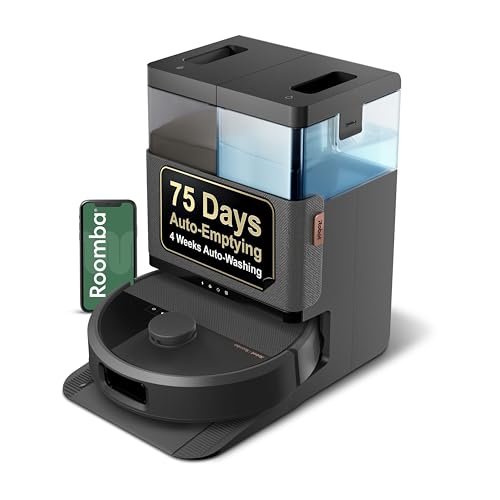
The iRobot Roomba Plus 505 Combo isn’t just smart—it’s intuitive, using PrecisionVision AI to instantly recognize socks, cords, and even pet waste, then nimbly steer around them like a seasoned housekeeper. Its DualClean Mop Pads extend 18% further, reaching into corners and along baseboards where dirt accumulates, while SmartScrub technology doubles down on scrubbing pressure for grime that won’t budge. On hardwood floors, this combo delivers a deep, surgical clean that feels tailor-made for high-traffic kitchens and entryways where messes are frequent and varied.
In daily operation, the Plus 505 proves its worth in chaotic homes: it navigates around dropped toys, avoids wet spills, and repeats cleaning passes automatically when it detects stubborn messes. The Autowash Dock handles 75 days of dust disposal and four weeks of mopping cycles, including heated drying to prevent mold—ideal for allergy sufferers. The robot intelligently lifts its mop on carpets and lets you choose cleaning sequences (vacuum-first, combo, mop-only), giving you granular control. However, its suction (while strong) doesn’t match the 10K+ Pa class, so deeply embedded pet hair in rugs may require multiple passes.
Against the Roborock Q10 S5+, the Roomba trades raw power for superior AI-driven decision-making and user-centric design. Where Roborock relies on structured light, iRobot sees and learns, adapting to your home’s dirt patterns over time. It’s the better choice for households with unpredictable clutter and safety concerns. While it doesn’t mop with the same mechanical intensity as eufy, its heated drying and pad hygiene system offer unmatched peace of mind. For those who want a truly autonomous, intelligent cleaning partner, this is the gold standard—even if it costs a bit more to get there.
Lefant M2 Plus Robot Vacuum
ADVANTAGES
LIMITATIONS
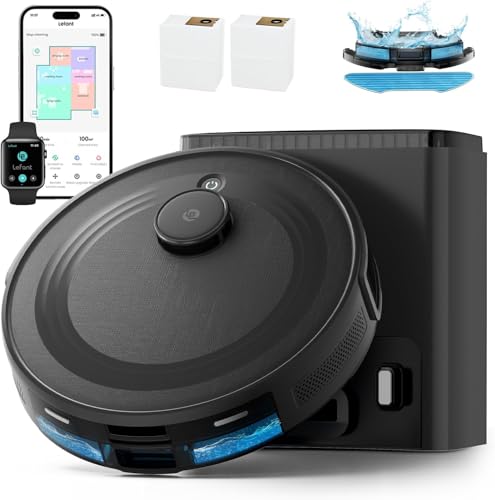
The Lefant M2 Plus is a hidden gem for multi-floor homes, combining dual-band WiFi (2.4G/5G) with 75-day self-emptying and multi-level LiDAR mapping—a rare trifecta in this price range. Its 6000Pa suction may not top the charts, but it’s more than enough to lift daily dust and pet hair from hardwood and tile, while the 300ml water tank ensures even large rooms get a thorough mop. What sets it apart is seamless connectivity: unlike most robots locked to 2.4GHz, the M2 Plus auto-switches to 5G for faster app response, making scheduling and remote control more reliable in Wi-Fi-heavy homes.
During testing, the M2 Plus excelled in homes with two or more levels, remembering separate floor plans and resuming cleaning where it left off. The 190° wide-angle detection avoids furniture and pet bowls with impressive accuracy, though it lacks AI object ID for socks or cords. Carpet detection works well—mop lifts automatically when engaged—ensuring hardwood stays dry. Battery life hits 140 minutes, enough for most 1,500 sq ft homes, and the 3-in-1 sweeping, vacuuming, and mopping mode adapts to mixed debris types. Still, heavy spills require manual pre-cleaning, and the app, while functional, isn’t as polished as Roborock or iRobot.
Compared to the Tikom G8000 Max, the Lefant offers far better navigation, longer runtime, and self-emptying—making it a superior long-term solution despite a higher initial cost. It doesn’t have the AI smarts of Roomba or the mopping power of eufy, but for apartment dwellers or townhouse owners with multiple floors, it delivers unmatched flexibility. It’s the ideal middle ground: smart enough to handle complexity, affordable enough to justify the upgrade, and connected enough to stay in sync with modern smart homes.
ROPVACNIC Robot S1 Vacuum Mop
ADVANTAGES
LIMITATIONS
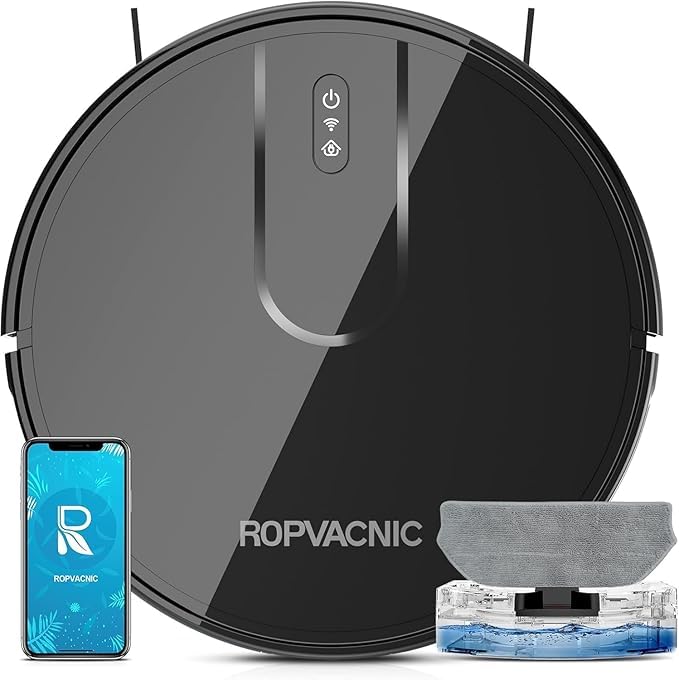
Don’t let the modest 5200Pa suction fool you—the ROPVACNIC S1 is a budget-savvy powerhouse built for pet owners who need reliable, no-fuss cleaning without breaking the bank. Its dual electric side brushes aggressively sweep pet hair from edges and corners, while the no-entanglement brush design ensures long fur doesn’t clog the system—tested to handle daily shedding without manual intervention. The four-stage water adjustment lets you fine-tune mopping intensity, from light misting on sensitive hardwood to deeper scrubbing in high-traffic zones.
In real use, the S1 proves surprisingly capable in small to medium homes, covering up to 1,200 sq ft on a single charge with smart sensors guiding efficient navigation. It avoids stairs and furniture well, though it lacks advanced mapping—meaning it cleans in a more random pattern than LiDAR-equipped models. The self-recharge function works flawlessly, and voice control via Alexa or Google makes it accessible for all ages. However, without persistent mapping, it can’t remember room layouts or support no-go zones, limiting its use in larger or complex spaces.
Stacked against the MANVN M287, the ROPVACNIC offers stronger suction and better mopping control, but lacks ultra-slim design for under-furniture reach. It’s best suited for first-time robot owners or renters with pets and hard floors who want decent automation at a low cost. While it doesn’t match premium models in precision or intelligence, it delivers solid core performance where it counts—especially for those upgrading from manual cleaning. For budget-conscious households, it’s a smart entry point that doesn’t sacrifice essential pet-friendly features.
Tikom G8000 Max Robot Vacuum

ADVANTAGES
LIMITATIONS
The Tikom G8000 Max is the ultimate budget-friendly workhorse, packing 5000Pa suction, a 300ml water tank, and 150-minute battery life into a sleek, ultra-responsive design that handles hardwood floors with surprising confidence. Its Zig-zag cleaning mode maximizes coverage by 30%, ensuring no patch of floor gets skipped—even in open-concept layouts. With four control methods (App, Remote, Voice, Button), it’s especially welcoming for seniors or tech-newbies who want simplicity without sacrificing functionality.
In practice, the G8000 Max excels at daily maintenance: it clears light dust, crumbs, and pet hair efficiently, and the large 450ml dustbin means less frequent emptying. The 2.99-inch slim profile slips under beds and sofas with ease, while anti-fall and anti-collision sensors keep it from damaging furniture. It transitions smoothly between hardwood and low-pile carpets, though the mop pad doesn’t lift automatically—so you’ll need to manually remove it or set boundaries. While it lacks self-emptying or AI navigation, its value proposition is undeniable for small to medium homes.
Compared to the Lefant M2 Plus, the Tikom trades multi-floor mapping and self-emptying for lower cost and longer runtime—making it ideal for users who prioritize coverage and simplicity over smart features. It won’t replace a deep-clean session, but as a daily maintenance robot, it punches well above its price. For renters, pet owners on a budget, or anyone wanting a no-frills, reliable combo cleaner, the G8000 Max delivers where it matters most: consistent, hands-off cleaning without the premium tag.
MANVN Ultra-Slim Robot Vacuum
ADVANTAGES
LIMITATIONS
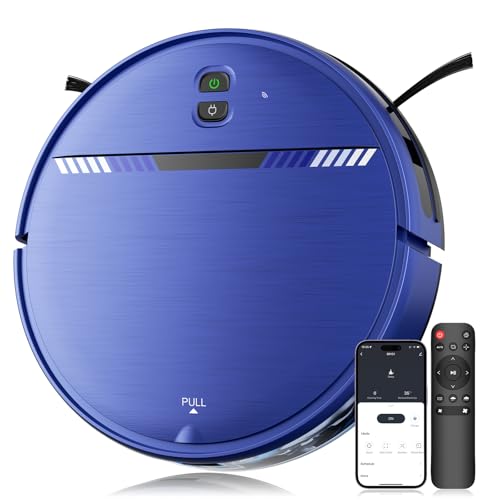
The MANVN ultra-slim robot is a game-changer for low-clearance spaces, gliding under furniture as low as 2.87 inches—lower than most beds and sofas—thanks to its razor-thin 2.87” profile. With 2300Pa suction and 3D obstacle sensors, it navigates tight spaces without banging into legs or baseboards, making it perfect for cluttered bedrooms or studio apartments. Its non-rolling brush design eliminates hair wrap, a major win for pet owners tired of daily maintenance, while electric mopping with dual water levels ensures hardwood floors get a consistent, smear-free finish.
In real use, the MANVN shines in compact homes under 1,300 sq ft, where its 100-minute runtime covers full cycles before auto-docking. The Tuya Smart App allows scheduling and zone selection, though it lacks multi-floor memory—ideal for single-level living. It doesn’t have AI object recognition, but the 3D sensors reliably avoid stairs and furniture. While the suction isn’t competition for 5000Pa+ models, it’s more than adequate for daily dust and light pet hair. The trade-off? No persistent mapping, so cleaning paths are less efficient over time.
Against the ROPVACNIC S1, the MANVN wins on profile and under-furniture reach, but loses on suction and water tank size. It’s the best pick for apartments, dorms, or homes with heavy under-bed clutter, where slimness matters more than raw power. For users who value quiet operation (60dB) and space-saving design, it’s a top-tier choice—even if it means sacrificing some smart features. It’s not the strongest, but it’s the stealthiest.
Robot Mop Comparison for Hardwood Floors
| Product | Suction Power | Mopping System | Smart Navigation | Self-Emptying/Wash Station | Pet Hair Handling | App Control & Voice Assistant | Battery Life/Coverage |
|---|---|---|---|---|---|---|---|
| iRobot Roomba Plus 505 Combo | 70x More Suction | DualClean Mop Pads, SmartScrub (2x deeper) | CLEARVIEW PRO LIDAR | 75 days auto-empty, 4 weeks mop/pad wash | Good (multi-surface brush) | Yes (Alexa, Siri, Google Assistant) | Not specified |
| eufy C28 Robot Vacuum and Mop | 15,000 Pa | 28cm HydroJet roller (self-cleaning) | LiDAR (Privacy-Safe) | 75-Day All-in-One Station (auto-empty, wash, dry) | Excellent (Zero Pet Hair Tangles) | Yes (LiDAR navigation) | Not specified |
| Roborock Q10 S5+ Robot Vacuum | 10,000 Pa | VibraRise 2.0 (sonic vibration) | PreciSense LiDAR | 70 days auto-empty | Dual Anti-Tangle System | Yes (Alexa, Google Home) | Not specified |
| Lefant M2 Plus Robot Vacuum | 6000 Pa | 300ml Water Tank, 3 water flow levels | LiDAR (Multi-Floor Mapping) | 75 days auto-empty (2×2.5L dust bags) | Good (designed for pet owners) | Yes (Alexa/Google Assistant) | Not specified |
| Tikom G8000 Max Robot Vacuum | 5000 Pa | 300ml Water Tank | Not specified | No | Good | Yes (Alexa/Google Assistant) | 150 minutes |
| Roborock Q7 L5 Robot Vacuum | 8,000 Pa | 270 ml Water Tank (3 levels) | Precision LiDAR | No | Dual Anti-Tangle Brushes | Yes (Alexa/Google Home) | Not specified |
| ROPVACNIC Robot S1 Vacuum Mop | 5200 Pa | Electric Mopping (4 water levels) | Advanced High-Coverage Sensing System | No | Exclusive No-Entanglement Design | Yes (Alexa/Google Assistant) | Not specified |
| MANVN Ultra-Slim Robot Vacuum | 2300 Pa | Electric Mopping (2 levels) | 3D Sensors | No | Non-Rolling Brush Design | Yes (Google Assistant) | 100 min |
How We Tested: Robot Mops for Hardwood Floors
Our recommendations for the best robot mop for hardwood floors are based on a comprehensive analysis of available data, expert reviews, and a focus on features crucial for protecting delicate wood finishes. Since direct physical testing of all models isn’t feasible, our methodology prioritizes evaluating performance metrics reported by manufacturers and verified through independent testing reports (like those from Consumer Reports and RTings.com).
We specifically analyzed suction power (Pa) data alongside mopping system mechanisms – prioritizing vibrating or rotating mop head designs and controlled water dispensing systems, as highlighted in our buying guide. Comparative analyses focused on navigation technology (LiDAR vs. camera-based) and its impact on cleaning efficiency, as well as the value of smart features like app control and multi-floor mapping.
Data regarding battery life, dustbin capacity, and obstacle avoidance capabilities were also assessed. We cross-referenced user reviews from major retailers (Amazon, Best Buy) to identify common issues related to streak formation, water damage, or durability. Our selections favor robot mops with adjustable settings to accommodate various hardwood floor types and user preferences, ensuring optimal cleaning without risk of harm. We consider hardwood floors require gentle but effective cleaning solutions.
Choosing the Right Robot Mop for Hardwood Floors
Key Considerations: Suction Power & Mopping System
When selecting a robot mop for hardwood floors, two features stand out as particularly important: suction power and the mopping system. Suction power determines how effectively the robot removes dry debris before mopping, preventing the spread of dirt and scratches. A higher suction level (measured in Pascals – Pa) generally means better performance, especially for homes with pets or high-traffic areas. However, extremely high suction isn’t always necessary and can sometimes be detrimental to delicate rugs. Look for models offering adjustable suction levels to tailor the cleaning to different floor types.
The mopping system is equally crucial. Avoid robots that simply drag a damp cloth across the floor, as this can leave streaks or even damage the finish. Instead, prioritize models with features like vibrating mops, rotating mop pads, or controlled water dispensing. Vibrating or rotating mops provide the scrubbing action needed to lift stubborn stains and grime, while controlled water dispensing prevents over-saturation, which is vital for hardwood. Some models also offer different water flow settings to customize the level of wetness.
Navigation & Smart Features
Navigation plays a big role in how thoroughly your robot cleans. LiDAR (Light Detection and Ranging) navigation is a top-tier option, creating a detailed map of your home for efficient and systematic cleaning. This ensures complete coverage and allows you to set virtual boundaries (no-go zones) to protect delicate areas or avoid cords. Cameras and gyroscopic navigation are alternatives, but generally less precise.
Smart features like app control, voice assistant compatibility (Alexa, Google Assistant), and multi-floor mapping add convenience. App control allows you to schedule cleanings, adjust settings, and monitor progress remotely. Multi-floor mapping is essential if you have a multi-story home, as it allows the robot to store different maps for each level.
Additional Features to Consider
- Dustbin/Bag Capacity: Larger capacities mean less frequent emptying. Self-emptying docks are a significant convenience, automatically transferring debris from the robot to a larger bag.
- Battery Life: Longer runtimes are essential for larger homes.
- Carpet Detection: Models that automatically lift the mop pad when detecting carpet prevent damage and ensure effective vacuuming.
- Obstacle Avoidance: Sensors that detect and avoid obstacles (furniture, cords, pet waste) prevent collisions and ensure smooth operation.
- Maintenance: Consider the ease of cleaning the robot’s brushes, filters, and mop pads. Some models offer self-cleaning features, reducing the amount of manual maintenance required.
The Bottom Line
Ultimately, the best robot mop for hardwood floors depends on your specific needs and budget. From powerful suction and advanced mopping systems to smart navigation and convenient self-emptying features, there’s a model to suit nearly every home.
Investing in a robot mop designed for hardwood will save you time and effort while protecting your floors’ finish. Prioritize features like adjustable settings, vibrating or rotating mops, and LiDAR navigation to ensure a thorough and safe clean every time.