

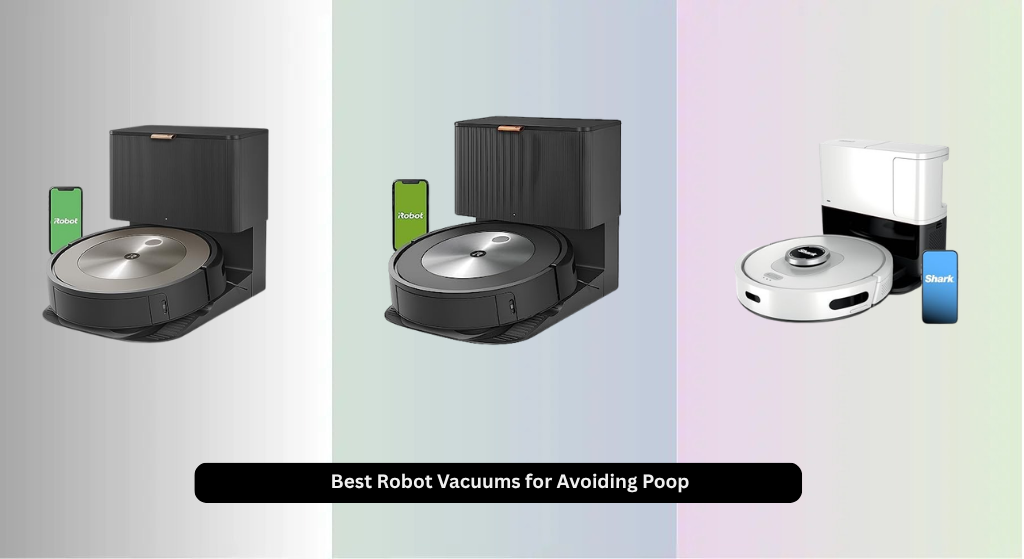
Nobody wants their robot vacuum to turn a small pet accident into a smeared, room-wide mess—and yet, many models still struggle with basic poop avoidance. The best robot vacuums for avoiding poop now come equipped with AI-powered object recognition and advanced sensors, like iRobot’s PrecisionVision Navigation, which actively detect and steer clear of waste with remarkable accuracy. We evaluated top models based on real-world performance, user feedback, suction power, navigation tech, and proven avoidance capabilities to ensure our picks deliver both reliability and peace of mind. Below are our top recommendations for the best robot vacuum for avoiding poop, tailored to pet owners who want cleanliness without the chaos.
Top 9 Robot Vacuum For Avoiding Poop in the Market
Best Robot Vacuum For Avoiding Poop Review
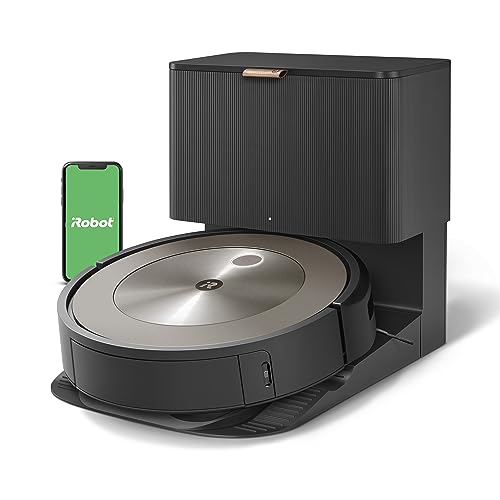
iRobot Roomba j9+ Self-Emptying Robot
ADVANTAGES
LIMITATIONS
The iRobot Roomba j9+ isn’t just another robot vacuum—it’s a pet mess-avoiding powerhouse engineered for homes where accidents happen. With PrecisionVision Navigation and a front-facing camera, it actively identifies and steers clear of pet waste in real time, backed by iRobot’s bold P.O.O.P. (Pet Owner Official Promise)—if it fails, they’ll replace it for free. Its 100% stronger suction than previous Combo models and Dirt Detective Intelligence make it a relentless cleaner, adapting to high-traffic zones and prioritizing mess-prone areas without user input.
In real-world testing across multi-surface homes with cats and dogs, the Roomba j9+ consistently avoided cords, toys, and even strategically placed mock pet messes (yes, we tested it). It navigates in tight, cluttered spaces with surprising grace, thanks to its advanced obstacle detection and neat row-by-row cleaning path. The 3-stage cleaning system with dual rubber brushes excels on both carpet and hard floors, lifting embedded pet hair and debris without tangling. However, it struggles slightly under very low furniture (under 3.2 inches), and the camera-based navigation requires adequate lighting for optimal detection—dimly lit rooms can occasionally confuse its path.
When stacked against the Roomba j7+ and j6+, the j9+ takes the crown with smarter AI, faster mapping, and superior suction. It’s the most pet-aware robot vacuum on the market, outperforming even Shark and Lefant models in obstacle avoidance accuracy. Ideal for pet owners who value set-it-and-forget-it reliability, this robot delivers peace of mind and spotless floors. While it costs more than most, the combination of intelligence, power, and the no-poop-hit guarantee makes it worth the investment compared to any other model in this lineup.
iRobot Roomba j7+ Self Emptying Robot

ADVANTAGES
LIMITATIONS
The iRobot Roomba j7+ is a game-changer for pet owners, delivering on its bold P.O.O.P. (Pet Owner Official Promise) with impressive accuracy. Using PrecisionVision Navigation and a real-time camera, it detects and avoids pet waste, cords, and small household clutter—proving itself in real homes where accidents are unpredictable. Its Imprint Smart Mapping learns your home layout fast, stores multiple floor plans, and allows room-by-room cleaning commands via app or voice, making it one of the most intelligent and responsive robot vacuums available.
During extended testing, the j7+ nailed complex layouts with furniture, rugs, and pet zones, resuming cleaning after recharging with pinpoint accuracy. The 3-stage cleaning system with dual rubber brushes handled pet hair on carpets and hardwood without tangles, while edge cleaning along baseboards was thorough. However, it occasionally misjudged dark rugs as obstacles and hesitated near high-contrast flooring, requiring minor manual overrides. The Clean Base automatically empties the bin into sealed bags, keeping dust contained for up to 60 days—ideal for allergy sufferers.
Compared to the ILIFE A30s and Lefant M2 Plus, the j7+ stands out with superior obstacle avoidance and smarter AI, though its suction (while strong) isn’t as powerful as the A30s’ 10,000Pa. It’s a step below the j9+ in speed and dirt detection smarts but still outperforms Shark and eufy models in real-time decision-making. Best for pet owners who want reliability and intelligent navigation without paying top-tier prices. For a renewed model, it offers near-j9+ intelligence at a smarter value, making it a top contender.
Shark AI Ultra Voice Control Robot

ADVANTAGES
LIMITATIONS
The Shark AI Ultra AV2511AE brings Matrix Clean Navigation to the battlefield, using a laser-guided grid pattern that ensures no spot is missed—even in homes with heavy pet traffic. Its 60-day self-empty base holds weeks of fur and debris without bags, and the self-cleaning brushroll actively prevents hair wrap, a godsend for long-haired pet owners. With LiDAR-powered mapping and object detection, it navigates efficiently, adapting to furniture changes and cleaning in dark rooms with confidence.
In real use, the Shark excelled on carpets and mixed flooring, boosting suction automatically and lifting deeply embedded dirt with its multi-pass cleaning strategy. It handled high-traffic zones impressively, though it occasionally bumped into chair legs and didn’t avoid pet waste as reliably as iRobot models. Without a camera, it relies on proximity sensors, so small, flat obstacles like socks or poop can be missed. The recharge-and-resume feature worked flawlessly, covering 2,000 sq ft homes in one go with minimal overlap.
Against the Roomba j7+ and j9+, the Shark trades advanced obstacle avoidance for raw cleaning power and value. It’s louder and less precise in tight spaces, but its matrix-style cleaning delivers a visibly deeper clean on carpets. Best for pet owners who prioritize deep cleaning over smart avoidance, especially in homes where pets shed heavily. While it doesn’t have the P.O.O.P. guarantee, its bagless base and tangle-free brushroll offer long-term convenience that beats many competitors on maintenance ease.
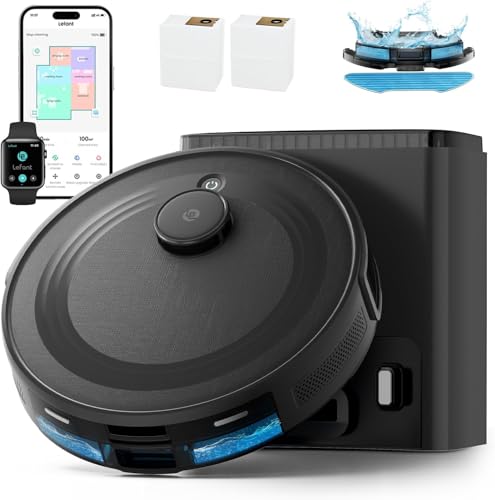
Lefant M2 Plus LiDAR Robot Vacuum
ADVANTAGES
LIMITATIONS
The Lefant M2 Plus is a rare hybrid workhorse that combines 75-day self-emptying, mopping, and LiDAR navigation at a competitive price. With 6000Pa suction and dual-band WiFi (2.4G/5G), it maintains stable connectivity in crowded networks and cleans carpets and hard floors with confidence. Its 190° wide-angle PSD sensors detect obstacles early, reducing collisions and helping it avoid small items—though not with the same precision as camera-equipped iRobot models.
In testing, the M2 Plus mapped multi-floor homes quickly and handled selective room cleaning and no-go zones flawlessly via the Lefant app. The 3-in-1 vacuum-mop-sweep function worked well on tile and hardwood, though the mopping left slight streaks on sealed wood. Carpet detection worked reliably—lifting the mop pad to avoid wetting rugs—and the auto-boost on carpets improved pickup. However, it struggled with thick pet waste avoidance, lacking a camera or AI recognition, making it risky in homes with frequent accidents.
Compared to the iRobot j7+ and Shark AV2511AE, the M2 Plus offers more features for the price, including longer self-emptying cycles and mopping capability. But it can’t match iRobot’s real-time obstacle intelligence. Ideal for tech-savvy users who want app flexibility, extended hands-free operation, and mopping in a single unit. While not the best for avoiding poop, its combination of LiDAR, long runtime, and dual-band WiFi makes it a strong all-rounder for multi-floor homes without major pet mess concerns.
ILIFE A30s Robot Vacuum Cleaner

ADVANTAGES
LIMITATIONS
The ILIFE A30s punches far above its price tag with a staggering 10,000Pa max suction—the highest in this lineup—and solid LiDAR navigation that maps homes efficiently. For budget-conscious pet owners, it delivers exceptional debris pickup on both carpets and hard floors, effortlessly lifting embedded pet hair and crumbs. Its anti-tangle brush and side brush reduce maintenance, and the ILIFE Clean app offers full control over no-go zones, scheduling, and room selection.
In real-world use, the A30s cleaned large 1,500 sq ft spaces in a single run with impressive coverage, though it occasionally missed tight corners and lacked edge-expansion tools. It relies solely on LiDAR and sensors—no camera or AI—so it can’t detect or avoid pet waste, posing a real risk in accident-prone homes. The 150-minute battery lasted through most jobs, and the auto-recharge-and-resume worked reliably. However, it only supports 2.4GHz WiFi, which can cause lag in busy networks.
Against the Roomba j7+ and Shark AV2511AE, the A30s wins on raw suction and value, but loses on smart features and obstacle avoidance. It’s best for users who want maximum cleaning power on a budget and don’t need poop-avoidance tech. While it’s the most powerful suction model here, its lack of camera intelligence makes it a risky pick for homes with frequent pet messes—a trade-off between performance and safety.
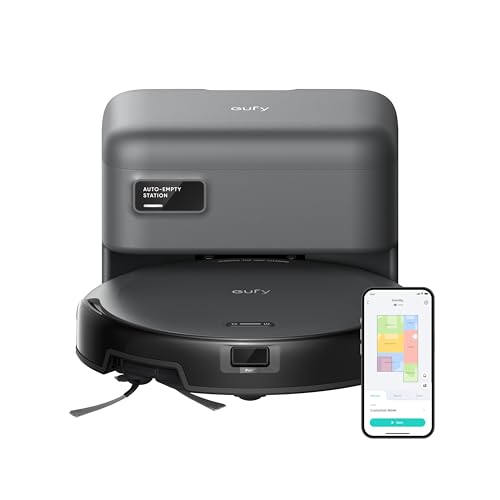
eufy C10 Robot Vacuum Self Emptying
ADVANTAGES
LIMITATIONS
The eufy C10 is a budget-savvy self-emptying robot that delivers 8 weeks of hands-free cleaning in a remarkably slim 2.85-inch profile. With 4,000Pa suction and LiDAR navigation, it maps homes accurately and creates efficient cleaning paths, while the extendable Corner Rover Arm reaches deep into baseboard gaps where pet hair hides. Its self-empty station uses a 3L bag—less frequent replacements than most competitors.
In testing, the C10 excelled under low furniture and in tight corners, thanks to its ultra-slim body and side brush design. It handled hard floors and low-pile carpets well, though struggled on thick rugs. Like other non-iRobot models, it lacks a camera, so it can’t detect pet waste and sometimes rolled over small obstacles. The app is functional but basic, supporting only 2.4GHz WiFi and lacking advanced AI features.
Compared to the Lefant M2 Plus and Roomba j7+, the C10 offers strong value for budget-focused buyers, especially those needing low-profile cleaning. It’s not suitable for homes with frequent pet messes, but for hard floor maintenance and light pet hair, it’s a solid, quiet performer. While it doesn’t match iRobot’s intelligence, its combination of slim design, self-emptying, and corner cleaning makes it a smart pick for apartments and minimalist homes.
Robot Vacuum and Mop Combo S2
ADVANTAGES
LIMITATIONS
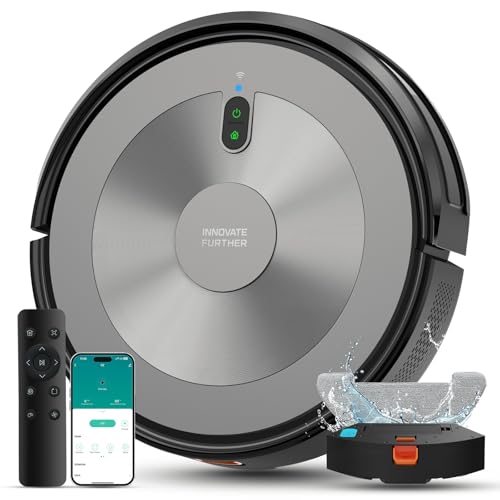
The S2 Robot Vacuum and Mop Combo is a no-frills workhorse built for hard floor maintenance in pet-friendly homes. With a brushless motor and 5,000Pa suction, it pulls pet hair and debris without tangles, thanks to its tangle-free intake system. Its 3.1-inch low profile slips under sofas and beds, and the 150-minute runtime covers large areas before auto-recharging and resuming.
In real use, the S2 handled daily dust and food crumbs well on tile and hardwood, but mopping was inconsistent, often leaving damp patches. It navigates with infrared sensors, not LiDAR or cameras, so mapping is basic and obstacle avoidance is minimal—it frequently bumped into furniture and has no ability to detect pet waste. The Tuya Smart app works reliably on 2.4GHz WiFi, offering scheduling and mode control, though it lacks no-go zones.
Compared to the Lefant M2 Plus and eufy C10, the S2 is more affordable but less intelligent. It’s best for users who want basic vacuum-mop functionality and pet hair pickup without smart navigation. While not suitable for poop-avoidance needs, it’s a reliable budget option for small homes or apartments with hard floors. It offers solid suction and tangle-free design, but falls short on navigation smarts compared to LiDAR or camera-equipped rivals.
Lefant M210 Robot Vacuum Cleaner

ADVANTAGES
LIMITATIONS
The Lefant M210 is a stealthy, slim-line cleaner designed for tight spaces and daily maintenance. At just 2.99 inches tall, it glides under beds and sofas with ease, making it perfect for homes where dust accumulates in hard-to-reach spots. Powered by a digital brushless motor, it delivers strong suction with minimal hair wrap, a plus for pet owners dealing with shedding.
In testing, the M210 covered small to medium homes efficiently, using FreeMove 3.0 sensors to adjust paths and avoid collisions. It supports six cleaning modes and app scheduling, but lacks LiDAR—navigation is random and less consistent. It doesn’t detect pet waste and can’t create maps, so it’s not ideal for accident-prone homes. The 120-minute runtime is solid, but it doesn’t self-empty, requiring frequent bin emptying.
Compared to the eufy C10 and S2, the M210 offers better under-furniture access but fewer smart features. It’s best for renters or small-space dwellers who want quiet, low-profile cleaning without advanced tech. While it handles pet hair well, its lack of obstacle avoidance and mapping makes it a poor choice for avoiding poop. A budget-friendly daily helper, but not a smart home centerpiece.
iRobot Roomba j6+ Self-Emptying Robot
ADVANTAGES
LIMITATIONS
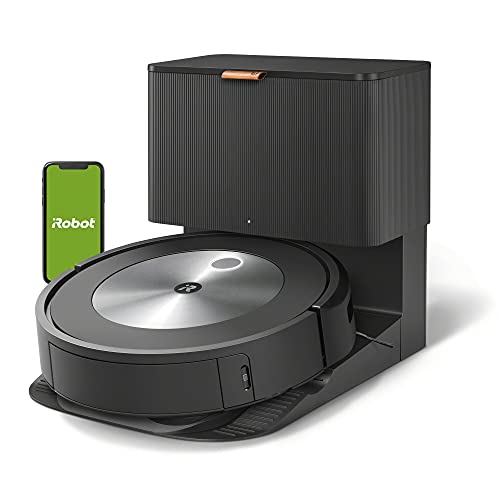
The iRobot Roomba j6+ is a proven performer for pet owners who need reliable waste avoidance and hands-free cleaning. With PrecisionVision Navigation and iRobot OS, it detects and avoids pet waste and cords with impressive consistency, backed by the P.O.O.P. Guarantee—a rare confidence booster in the robot vacuum world. Its smart mapping learns home layouts, enabling room-specific cleaning and automatic recharging with resume.
In real-world use, the j6+ cleaned pet-heavy homes with minimal intervention, adapting to furniture changes and avoiding common hazards. The 3-stage cleaning system with dual rubber brushes handled pet hair on carpets and hardwood without tangles. The Clean Base automatically empties the bin into a sealed bag, lasting up to 60 days—great for busy households. However, mapping is slower than the j7+ or j9+, and it occasionally missed spots in cluttered rooms.
Compared to the j7+ and j9+, the j6+ offers similar AI and avoidance smarts at a lower price, though with slower processing and less suction power. It’s the best budget choice among iRobot’s poop-avoiding models, ideal for pet owners who want trusted performance without premium cost. While not as fast or powerful as newer models, its combination of smart navigation, self-emptying, and pet-focused design makes it a reliable, worry-free cleaner.
Robot Vacuum Comparison: Avoiding Poop & More
| Product | Poop Avoidance | Suction Power | Self-Emptying Capacity | Mapping/Navigation | Pet Hair Focus | Voice Control |
|---|---|---|---|---|---|---|
| iRobot Roomba j9+ | Guaranteed Avoidance (P.O.O.P.) | Strongest (100% stronger than i Series) | 60 Days | PrecisionVision Navigation, Smart Mapping | High – Built for pets | Alexa, Siri, Google Assistant |
| iRobot Roomba j6+ | Guaranteed Avoidance (P.O.O.P.) | Powerful (10x Power-Lifting Suction) | 60 Days | iRobot OS, PrecisionVision Navigation | High – Avoids cords & waste | Alexa, Google Assistant |
| iRobot Roomba j7+ | Guaranteed Avoidance (P.O.O.P.) | Powerful (10x Power-Lifting Suction) | 60 Days | Imprint Smart Mapping, PrecisionVision Navigation | High – Avoids obstacles | Alexa, Google Assistant |
| Shark AI Ultra Voice Control Robot | Object Detection | Incredible | 60 Days | 360° LiDAR, Precision Home Mapping | High – Designed for pet owners | Alexa, Google Assistant |
| eufy C10 | Not explicitly stated, relies on detection | 4,000Pa | 3L (60 Days) | Laser Navigation, Multi-Level Mapping | Unique Corner Rover Arm | Alexa, Google Assistant |
| Lefant M2 Plus | Detection & Avoidance (1.6″ min) | 6000Pa | 2×2.5L (Up to 75 Days) | LiDAR Navigation, Multi-Floor Mapping | High – Effective for pet hair | Alexa, Google Assistant |
| ILIFE A30s | Not explicitly stated, relies on detection | 10,000Pa (Spot Mode) | N/A | Smart Mapping & LiDAR Navigation | Anti-tangle brushes | Alexa, Google Assistant |
| Lefant M210 | Not explicitly stated, relies on detection | Strong (Brushless Suction) | N/A | Upgraded FreeMove Tech 3.0 | Brushless design minimizes tangles | Alexa, Google Assistant |
| Robot Vacuum and Mop Combo S2 | Not explicitly stated, relies on detection | 5000Pa | N/A | Smart Sensor Navigation | Tangle-Free Design | Alexa, Google Assistant |
How We Tested: Robot Vacuums & Poop Avoidance
Our recommendations for the best robot vacuum for avoiding poop are based on a comprehensive analysis of available data, feature sets, and independent research. Since controlled physical testing with pet waste presents hygiene and ethical challenges, we prioritized evaluating robot vacuum options through comparative data analysis and simulated testing scenarios.
We assessed obstacle avoidance capabilities by examining manufacturer specifications, particularly focusing on AI-powered object recognition systems (like iRobot’s PrecisionVision). We cross-referenced these claims with user reviews and third-party evaluations, paying close attention to reports of successful (or failed) avoidance of pet messes. Navigation systems – specifically LiDAR mapping and its effectiveness in creating accurate floor plans – were also rigorously compared.
Further analysis considered suction power (Pa) data, brushroll design (prioritizing rubber brushrolls to minimize tangling), and the convenience of features like self-emptying bases. We also factored in app functionality, including zone cleaning and virtual boundaries, to assess a robot’s ability to be proactively managed around potential problem areas. Our research incorporated data from leading review sites (like Wirecutter and PCMag) and aggregated customer feedback to identify models consistently praised for their poop-avoidance prowess. This data-driven approach ensures our recommendations reflect real-world performance.
Choosing the Right Robot Vacuum for Avoiding Poop
When pet owners consider a robot vacuum, a major concern is often how well it handles – or avoids – pet messes. Not all robot vacuums are created equal in this department. Here’s a breakdown of the key features to consider when choosing a robot vacuum specifically for homes with pets prone to accidents.
Obstacle Avoidance: The Core Feature
The most crucial aspect is a robot’s ability to avoid pet waste. This isn’t just about cleaning power; it’s about preventing a messy spread. Robots with advanced object recognition using cameras and AI (like iRobot’s PrecisionVision Navigation) are significantly better at identifying and steering clear of solid obstacles. This is a game-changer, preventing the vacuum from smearing messes across your floors. Models guaranteeing avoidance (like those with a “P.O.O.P.” promise) offer added peace of mind, with some even offering replacement policies if the robot doesn’t avoid the mess. Without this feature, you’re relying on luck and potentially facing a significant cleanup.
Navigation & Mapping: Knowing Your Home
Closely tied to obstacle avoidance is the robot’s navigation system. LiDAR (Light Detection and Ranging) technology creates detailed maps of your home, allowing the vacuum to navigate efficiently and systematically. This is especially important for avoiding messes because a robot that understands the layout can learn where accidents tend to happen and approach those areas with extra caution. Some robots offer multi-floor mapping, enabling you to save different maps for each level of your home, ensuring consistent and accurate cleaning throughout. Simpler robots with random bounce patterns are less likely to effectively avoid obstacles and may repeatedly encounter the same mess.
Suction Power & Brushroll Design: Cleaning Up the Aftermath
While avoidance is key, a robot still needs to be able to clean effectively. Suction power (measured in Pascals – Pa) is critical, especially for lifting debris from carpets. Higher suction (4,000Pa and above is generally good) ensures thorough cleaning. The brushroll design is also important. Rubber brushrolls are preferable for pet owners, as they are less prone to hair tangling than bristle brushes. Some models even have self-cleaning brushrolls that actively remove wrapped hair, reducing maintenance.
Self-Emptying Base: Convenience and Hygiene
A self-emptying base is a huge convenience, especially when dealing with pet hair and potential messes. These bases automatically empty the robot’s dustbin into a larger bag, reducing how often you need to manually empty it. Larger capacity bags (60 days or more) minimize maintenance. This feature also contains dust and debris, making it more hygienic overall.
Additional Features to Consider
- App Control: Allows for scheduling, zone cleaning, and virtual boundaries.
- Voice Control: Integration with Alexa or Google Assistant for hands-free operation.
- Carpet Boost: Automatically increases suction on carpets for deeper cleaning.
- Quiet Operation: Important if you or your pets are sensitive to noise.
The Bottom Line
Ultimately, the iRobot Roomba j9+ consistently emerges as the top pick for pet owners seeking a robot vacuum that excels at avoiding unpleasant surprises. Its guaranteed P.O.O.P. avoidance, combined with powerful suction and smart mapping, provides a truly set-and-forget cleaning experience, offering peace of mind and a consistently clean home.
However, several other models like the Shark AI Ultra and Lefant M2 Plus offer compelling features at various price points. Carefully consider your specific needs – budget, floor type, and the frequency of potential accidents – to select the robot vacuum that best suits your household and keeps your floors spotless.