





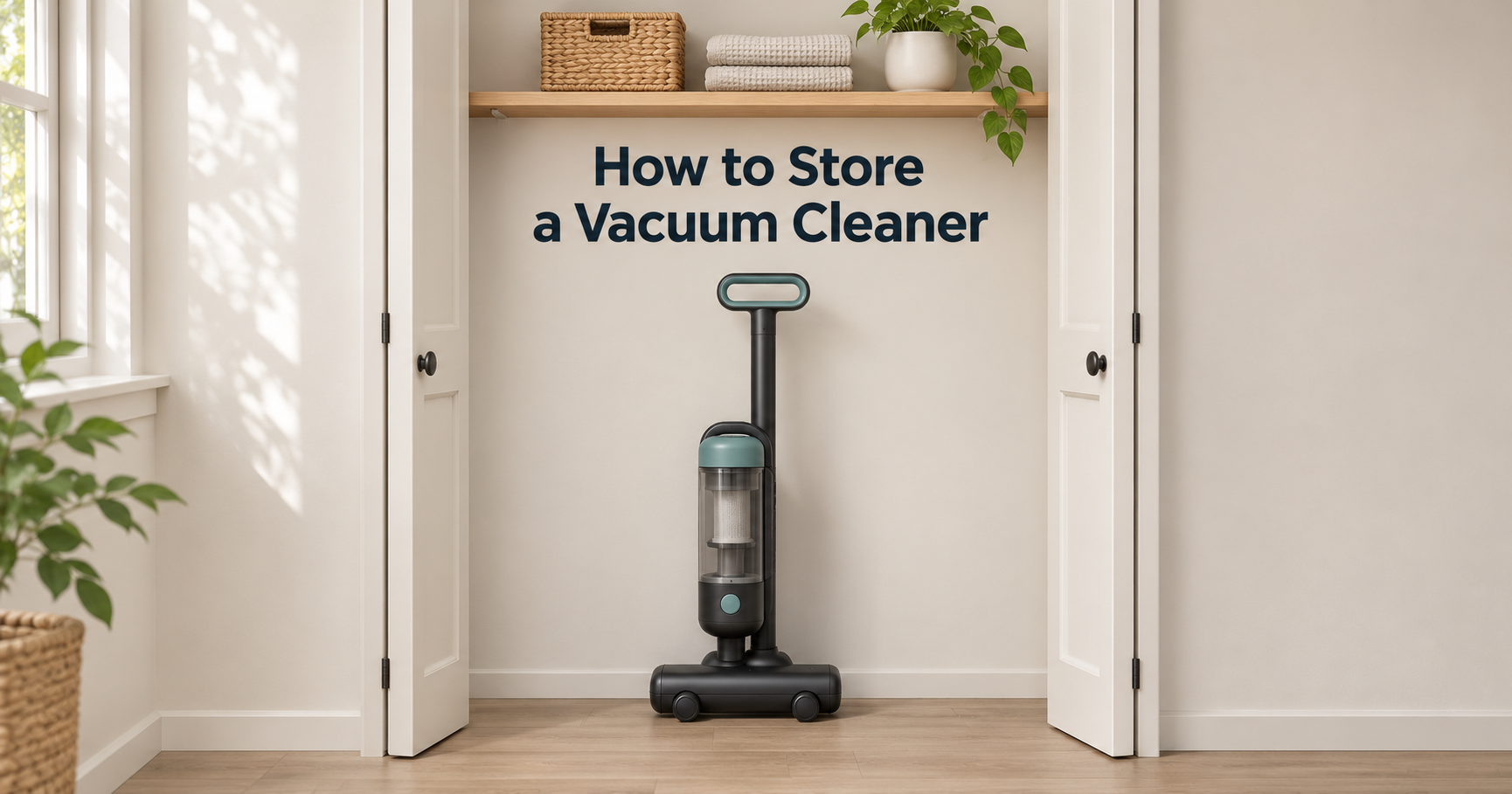

How to Store a Vacuum Cleaner: The Complete Guide to Keeping It Clean, Safe and Ready to Use
A vacuum cleaner is one of the hardest-working machines in your home, yet most of us treat its storage as an afterthought. We push it into a corner, wrap the cord around the handle, and hope for the best. Over time, that habit can lead to tangled hoses, cracked parts, weak suction, bad smells and, for cordless models, a battery that fades far too early.
The good news is that storing a vacuum cleaner properly is simple. With a few minutes of preparation and the right spot, you can protect your machine, save floor space and make cleaning day much easier. This guide explains exactly how to store a vacuum cleaner, whether you own an upright, a canister, a cordless stick, a handheld or a robot model.
Why Proper Vacuum Storage Matters
Before we get into the steps, it helps to understand what is at stake. Good storage is not about being tidy for its own sake. It directly affects how well your vacuum works and how long it lasts.
- Longer lifespan: Dust, moisture and pressure on parts cause slow damage. Clean, dry, stable storage avoids most of it.
- Stronger suction: A machine stored with a full bin or a clogged filter starts its next job already at a disadvantage.
- Fewer odours: Trapped dust and damp debris can develop a stale smell that spreads into the room the next time you switch the machine on.
- Safer homes: Cords left loose across a hallway, or a tall machine balanced against a wall, can cause trips and falls.
- Better battery health: Cordless vacuums depend on a battery, and the way it is stored makes a real difference to how long it keeps its charge.
Step-by-Step: Prepare Your Vacuum Before Storing It
A few minutes of preparation is the most valuable part of the whole process. Think of it as putting the machine to bed clean, rather than leaving it dirty for the next time.

1. Empty the dust bin or replace the bag
Never store a vacuum with a full or nearly full dust container. Old dust can hold moisture, attract insects and create odours. For bagless models, empty the bin into a rubbish bag, ideally outdoors to avoid a cloud of dust. For bagged models, replace the bag once it is about two-thirds full, and certainly before putting the machine away for a longer period.
2. Clean or tap the filters
Filters trap the finest dust, so they clog first. Check your manual to see which type you have. Washable filters should be rinsed with cool water and left to dry completely, which usually takes at least 24 hours. Never put a damp filter back into the machine, because moisture can lead to mould and a musty smell. Non-washable filters should be tapped gently over a bin and replaced when they look worn or discoloured.
3. Clear the brush roll and hose
Hair, thread and carpet fibres wrap around the brush roll and slowly strain the motor. Use scissors to cut through the tangles and pull them away. Then check the hose and any attachments for blockages by looking through them toward the light. A clear airway means better suction the next time you need it.
4. Wipe down the body and attachments
Use a slightly damp microfibre cloth to wipe the outside of the machine, the wheels and the attachments. Dry everything afterwards. This removes sticky residue and fine dust that would otherwise settle and harden in storage.
5. Wind the cord loosely
Wrapping the cord tightly puts stress on the wire where it meets the plug or the machine, and over time it can lead to internal breaks. Instead, wind it in large, relaxed loops and secure it with the built-in hook or a soft strap. If your vacuum has an automatic cord rewind, use it gently and guide the plug in with your hand so it does not snap against the body.
The Best Places to Store a Vacuum Cleaner
The best storage place is one that is dry, cool, easy to reach and out of the way of foot traffic. Here are the most popular options and what each one offers.

Hall or utility closet
A closet is the classic choice. It keeps the vacuum hidden, protects it from dust and works well for upright and canister models. Make sure the floor is stable and the machine cannot tip over when you open the door. A small hook inside the door is useful for hanging the cord and attachments.
Wall-mounted storage
Wall mounts are ideal for cordless stick and handheld vacuums. They keep the machine off the floor, save space and make it quick to grab when something spills. Fix the bracket into a wall stud or use proper wall anchors suited to your wall type, because a vacuum with a full battery and attachments can be heavier than it looks. If your model has a charging dock, mounting it near a power socket lets you charge and store in one place.
Under the stairs
The space beneath a staircase is often wasted. It is perfect for a tall upright vacuum or a canister model, and it keeps everything within easy reach of the main living area. Just check that the space is dry and well ventilated.
Utility room, pantry or shelf
If you have a utility room, a corner with a shelf and a couple of hooks creates a neat cleaning station. Keep the machine on the floor or a low shelf, hang the cord and hose on hooks, and use a small basket for brushes and crevice tools.
Garage or basement: use with caution
Garages and basements are common choices because they offer plenty of room, but they come with a risk. Damp air, large temperature swings and dust can damage motors, filters and batteries. If you must use these areas, keep the vacuum off the floor on a shelf, cover it loosely with a breathable cloth, and avoid leaving cordless batteries in freezing or very hot conditions.
How to Store Each Type of Vacuum Cleaner
Different machines have different needs. Use the guidance below to match your storage to your model.

Upright vacuum cleaners
Uprights are tall and fairly heavy, so stability matters most. Many models have a locking position that keeps the handle upright. Use it, and store the machine in a closet or corner where it will not fall. Lower the handle if you are short on height, but never fold it in a way that bends the hose or cord sharply.
Canister vacuum cleaners
Canister models are easy to store because they sit low and compact. Detach the hose and wand, coil the hose in a gentle circle without kinks, and attach the tools to the clips on the body if there are any. Kinked hoses crack over time, so keep curves wide and smooth.
Cordless stick and handheld vacuums
These are the most flexible to store. A wall dock or a floor stand keeps them upright and often handles charging too. Remove the attachments and keep them together in a small caddy or pouch so none of them go missing. If you are putting a cordless vacuum away for several weeks or months, pay special attention to the battery, covered in the next section.
Robot vacuum cleaners
Robot vacuums should live on their charging dock, placed on a flat, hard floor with open space on both sides. Keep the dock away from stairs, direct sunlight and anything that might block the sensors. For long breaks, clean the brushes and sensors, empty the bin and follow the manufacturer’s instructions about powering the unit down.
Wet and dry shop vacuums
Always empty and dry the tank completely before storage. Leaving even a little water inside leads to mould, bad odours and rust. Let the tank, hose and filter air dry with the lid off, then store the unit in a dry area with the hose coiled loosely.
How to Care for a Cordless Vacuum Battery in Storage
The battery is the most delicate part of any cordless vacuum. Most modern cordless machines use lithium-ion batteries, which prefer to be neither completely empty nor kept at full charge for months at a time.

- For everyday storage: Keeping the vacuum on its dock is usually fine, because most chargers stop when the battery is full.
- For long storage: If you will not use the vacuum for a month or more, charge the battery to a moderate level instead of storing it empty or completely full, then recheck it every few months.
- Temperature: Keep the battery at normal room temperature. Heat and freezing cold both shorten battery life.
- Removable batteries: If the battery can be taken out, store it separately in a cool, dry place away from metal objects.
Since battery recommendations can vary between brands, always check the manual for your specific model.
Smart Ways to Organise Attachments and Accessories
Attachments are the first things to get lost. A little organisation saves time and frustration.
- Use the on-board tool clips if your vacuum has them.
- Hang a small fabric organiser on the back of the closet door for crevice tools, brushes and extension wands.
- Keep spare filters and bags in a labelled box on a nearby shelf.
- Store small parts such as the dusting brush in a basket so they do not roll away.
Storing a Vacuum Cleaner in a Small Apartment
Limited space does not mean a messy cleaning corner. A few ideas work well in small homes:
- Choose a lightweight cordless stick vacuum that can hang on a wall.
- Use the gap beside a wardrobe or fridge with a slim shelf or hook system.
- Place the vacuum behind a door with a tall, narrow storage rack.
- Keep the machine in the hallway cupboard rather than the bedroom to avoid dust drifting into sleeping areas.
Do’s and Don’ts of Vacuum Storage

If you remember only one thing from this guide, make it this: store the vacuum clean, dry and stable. Everything else is a refinement of that simple idea.
Long-Term Vacuum Storage Checklist
If you are putting the vacuum away for a season, such as while travelling or moving house, a little extra care protects it.
- Deep clean the dust container, filters, brush roll and attachments.
- Make sure every washable part is completely dry.
- Replace the vacuum bag if you use one, or empty the bin fully.
- Wind the cord loosely, or place the cordless battery at a moderate charge.
- Cover the machine with a breathable cloth or a vacuum cover, not a sealed plastic bag.
- Store it in a dry, cool, stable location away from direct sunlight.
- When you bring it back into use, check the filter and brush roll before the first run.
Simple Vacuum Maintenance Schedule
| Task | How Often |
|---|---|
| Empty dust bin | After every use or when it reaches the fill line |
| Clear brush roll | Every few weeks, or when hair builds up |
| Clean washable filter | About once a month, depending on use |
| Wipe body and attachments | Once a month |
| Check hose for blockages | Every few months |
| Replace filters and belts | As recommended in your manual |
Common Vacuum Storage Mistakes to Avoid
- Storing it with a full bin: This leads to odours and reduced suction.
- Putting it away damp: Wet filters and tanks cause mould and rust.
- Wrapping the cord too tightly: It damages the wire over time.
- Leaning it at an angle: A tilted machine can fall or strain the handle.
- Ignoring the battery: Leaving a cordless vacuum fully drained for months weakens the cell.
- Choosing a damp space: Humidity is the enemy of motors and electronics.
Frequently Asked Questions
Is it better to store a vacuum cleaner upright or lying down?
Most vacuums are designed to be stored upright. This protects the hose, keeps weight off the wheels and makes it easier to see and reach. Lying a machine down for a long time can crush cords and hoses, so only do it if the manufacturer says it is safe.
Can I store a vacuum cleaner in the garage?
You can, but only if the garage stays dry and does not get extremely hot or cold. Keep the vacuum on a shelf, away from damp floors, and take cordless batteries indoors if temperatures swing a lot.
Should I leave my cordless vacuum on the charger all the time?
For everyday use, resting on the charger is usually fine because modern chargers cut off when the battery is full. If you will not use the vacuum for weeks, follow the long-storage battery guidance in your manual.
How do I stop my vacuum from smelling when it is stored?
Empty the bin or bag regularly, wash and fully dry the filter, and wipe the dust container. Letting the vacuum air out in a dry room before storage also helps a great deal.
How do I store a vacuum cleaner hose without damaging it?
Coil it in wide, gentle loops, never fold it sharply, and avoid hanging it by a thin hook that creates a pinch point. A wide hook or a clip on the machine works best.
Do I need a cover for my vacuum?
A cover is not essential for short-term storage in a closed closet. For long-term storage, a breathable cotton cover or cloth keeps dust off without trapping moisture. Avoid airtight plastic.
Final Thoughts
Learning how to store a vacuum cleaner is one of the easiest ways to protect a household investment. Empty it, clean the filters, clear the brush roll, wind the cord loosely, and choose a dry, stable place. For cordless models, look after the battery. Spend a few minutes after each cleaning session, and your vacuum will reward you with stronger suction, fewer repairs and a longer working life.
Good storage habits cost nothing, take almost no time and make every future cleaning job easier. Start with one small change today, and your vacuum will be ready the moment you need it.