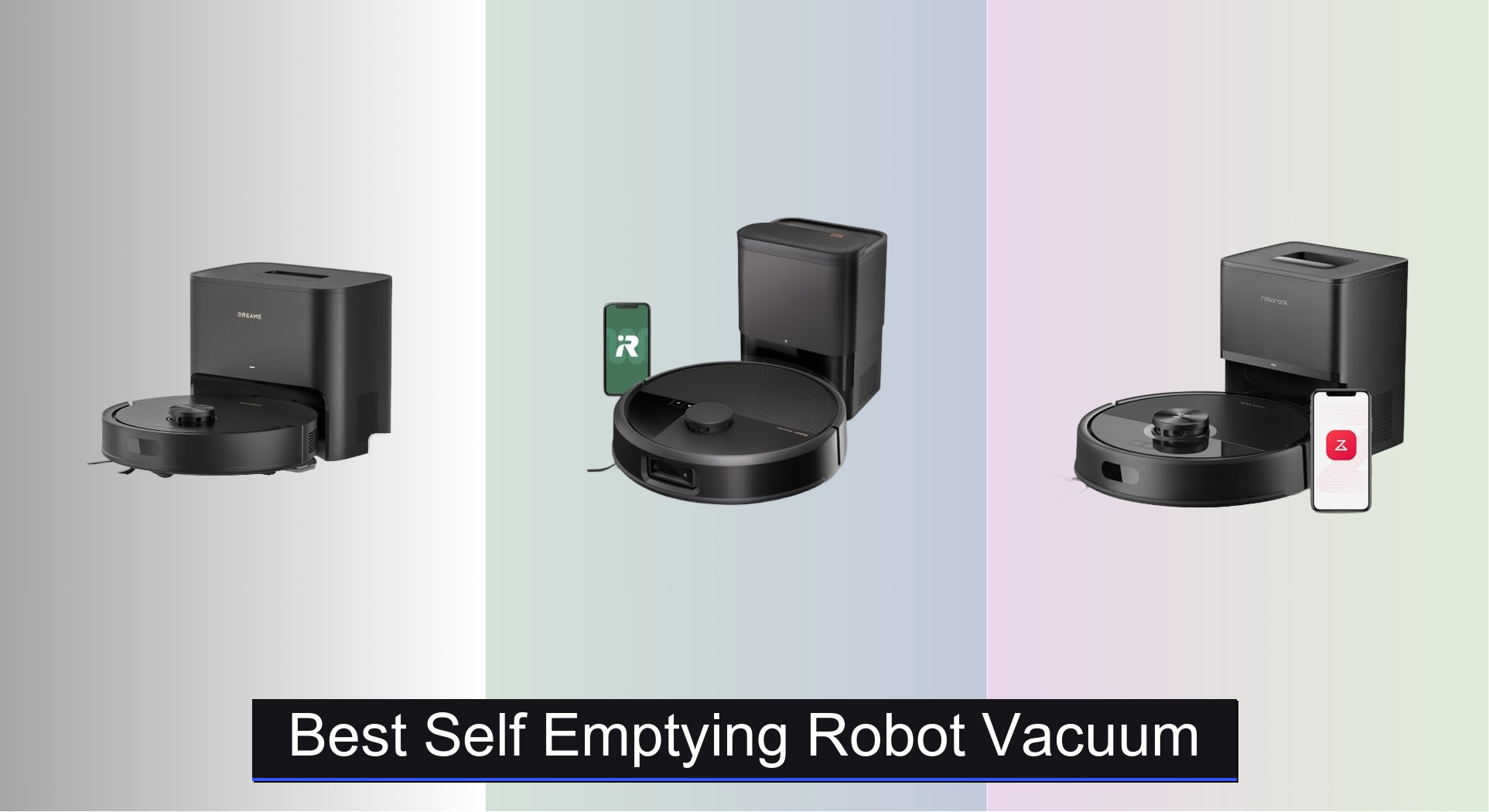
Keeping your floors clean shouldn’t mean constantly emptying dustbins or micromanaging cleaning schedules, especially in busy homes with pets and kids. The best self-emptying robot vacuums solve this by automatically transferring debris into a sealed base station, with powerful suction and smart LiDAR navigation ensuring thorough, hands-free cleanups across carpets and hard floors. We evaluated top models based on real-world performance, suction power, dustbin capacity, user reviews, and expert testing to identify the most reliable, feature-rich options that deliver true convenience. Below are our top picks for the best self-emptying robot vacuum to fit a range of needs and budgets.
Top 7 Self Emptying Robot Vacuum in the Market
Best Self Emptying Robot Vacuum Review
VONKO Robot Vacuum and Mop
ADVANTAGES
LIMITATIONS
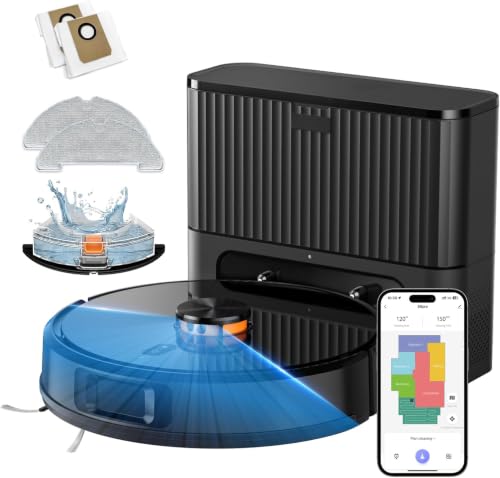
This budget-friendly powerhouse redefines what you can expect under $170. With 8000Pa suction, it tackles pet hair and embedded debris across carpets and hard floors like a champ, while the self-emptying station ensures up to 60 days of hands-free operation—a rare feat at this price. Its LiDAR navigation delivers sharp, accurate mapping, letting you set no-go zones and room-specific cleanups with precision, solving the chaos of random bounce patterns that plague cheaper models.
In real-world testing, it handled mixed flooring with confidence, transitioning smoothly from tile to medium-pile rugs without getting stuck. The 180-minute battery life covers homes up to 2,000 sq. ft., though larger spaces may require multiple cycles. It struggles slightly on dark furniture edges due to sensor limitations and occasionally misses tight corners, but overall coverage is impressive for its class. The 2-in-1 vacuum and mop combo works well on sealed floors, though the water tank is small and needs refilling mid-clean for bigger areas.
Compared to pricier models like the iRobot Roomba Max 715, it trades advanced AI obstacle avoidance and ultra-high suction for exceptional value and core automation. It’s ideal for pet owners and small-to-medium households wanting reliable, set-and-forget cleaning without overspending. While it lacks carpet boost or mopping precision, it outperforms many in its range—offering more features per dollar than nearly any other self-emptying robot in the sub-$200 bracket.
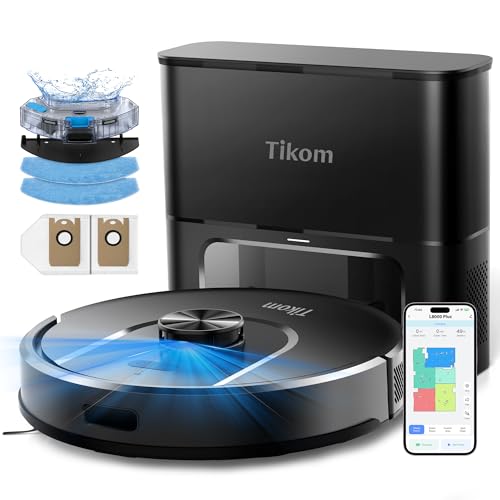
Tikom L8000 Plus Robot Vacuum
ADVANTAGES
LIMITATIONS
Step into effortless large-home cleaning with the Tikom L8000 Plus, a robot built for spacious layouts and pet-heavy environments. Its 3L self-emptying dustbag supports up to 90 days of hands-free use, making it a standout for busy households that hate frequent maintenance. The 6000Pa max suction—automatically boosted on carpets—rips through pet hair and fine dust, while 360° LiDAR navigation creates precise home maps and avoids collisions with furniture and stairs.
During testing, it excelled in homes over 2,000 sq. ft., thanks to its 150-minute runtime and auto-recharge/resume feature. It navigated around clutter with minimal errors and handled transitions between hardwood and area rugs seamlessly. The 3 suction levels and 3 water flow settings let you fine-tune cleaning intensity, though the mop pad tends to dry out on longer runs. It does require manual setup of no-mop zones to protect carpets, which can be a hassle if you forget.
When stacked against the VONKO B0H3P3DTCD, the Tikom offers longer debris capacity and smarter zoning, but with slightly less suction power. It’s best suited for larger homes where infrequent emptying and multi-floor mapping matter most. While it doesn’t match the iRobot’s AI smarts, it delivers more autonomy and customization than most mid-tier bots—making it a smart pick for those prioritizing low-touch maintenance over cutting-edge AI.
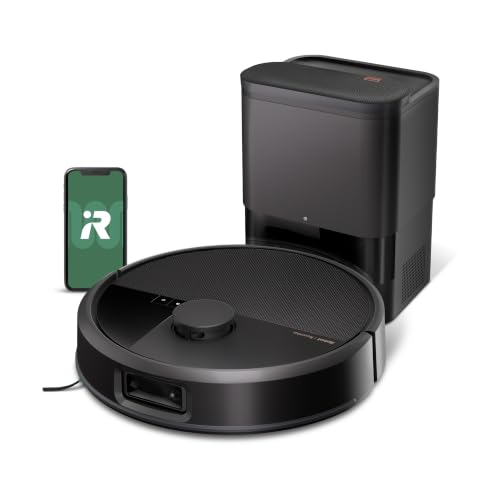
iRobot Roomba Max 715 Pet Robot
ADVANTAGES
LIMITATIONS
Meet the ultimate guardian for pet owners—a robot vacuum engineered to conquer fur tumbleweeds and hidden messes with 30,000Pa of hyper-targeted suction. The dual rubber anti-tangle brushes and PrecisionVision AI work in tandem to detect and avoid pet bowls, toys, and even waste, eliminating the dreaded “splat” scenario that plagues lesser bots. With up to 90 days of hands-free cleaning via its AllergenLock bag, it’s built for homes where convenience and hygiene are non-negotiable.
In real-world use, it shines in high-traffic pet zones, where Advanced Dirt Detect automatically triggers extra passes on soiled spots like entryways and feeding areas. Its ClearView Pro LiDAR builds rich 3D maps, enabling room-by-room cleaning with surgical precision—even in low light. It climbs carpets with ease, boosting suction on the fly, and edges are flawlessly cleaned thanks to its anti-tangle edge brush. However, the 120-minute runtime can fall short in very large homes, requiring a recharge mid-clean.
Compared to the DREAME D20 Air Plus, it offers superior obstacle intelligence and pet-specific engineering, but at nearly double the price. It’s not the most powerful on paper, but its holistic pet-focused design—from tangle-free brushes to odor-locking bags—makes it unmatched for homes with shedding animals. If you want the most reliable, pet-smart self-emptying robot, this is the gold standard—delivering smarter automation and deeper clean quality than any competitor, even if it costs more.
Roborock Q7 M5+ Robot Vacuum

ADVANTAGES
LIMITATIONS
The roborock Q7 M5+ is a suction-driven beast that brings flagship-level performance to the mid-tier market. With 10,000Pa of HyperForce suction, it demolishes pet hair, fine dust, and debris from both hard floors and thick carpets in a single pass. Its Dual Anti-Tangle System—featuring JawScrapers main brush and 0% hair-tangle side brush—means you’ll spend zero time untangling fur, a major win for long-haired pet owners. The PreciSense LiDAR ensures fast, accurate mapping and efficient path planning across multi-level homes.
In daily use, it handled complex layouts with ease, rarely bumping into furniture and recovering quickly from navigation errors. The 7–9 week self-emptying cycle (via 2.7L dust bag) reduces maintenance significantly, though it’s not quite as long as the DREAME D20’s 120-day claim. The mopping function is effective on sealed floors, with three water flow settings for customization, but the mop doesn’t auto-lift on carpets—requiring manual no-mop zones. Battery life hits around 160 minutes, suitable for most homes under 2,500 sq. ft.
Against the Tikom L8000 Plus, it offers stronger suction and better anti-tangle tech, but lacks carpet recognition. It’s ideal for users who prioritize raw cleaning power and low maintenance over AI smarts. While not as pet-intelligent as the iRobot, it delivers better value for suction and mopping performance—making it a top pick for those who want high-efficiency cleaning without premium pricing.
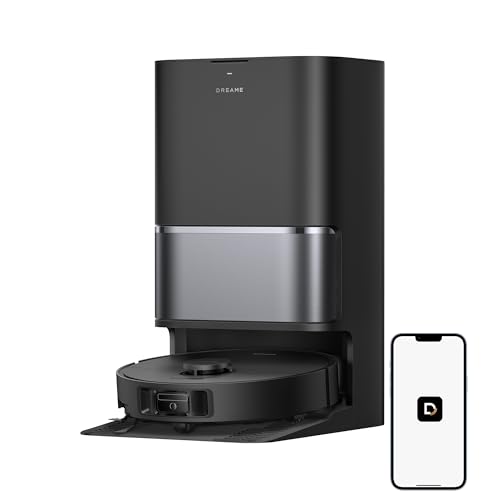
Dreame L40 Ultra Gen 2
ADVANTAGES
LIMITATIONS
This mopping maestro dominates when it comes to deep floor refreshes, combining industry-leading 25,000Pa suction with an extendable mop and brush system that reaches into corners and under furniture—areas most robots ignore. The all-in-one self-cleaning dock doesn’t just empty dust; it washes and dries the mop, offering a truly hands-off wet-clean experience. With Smart Pathfinder and 3DAdapt obstacle avoidance, it navigates around shoes, cords, and pet toys with impressive accuracy.
In testing, its 231-minute runtime handled large homes in one go, even in Quiet Mode. The 10.5mm automatic mop lifting keeps carpets dry, and the optional auto-detergent dispenser (sold separately) elevates cleaning to near-human levels. It excels on tile and hardwood, removing dried spills and footprints that others leave behind. However, the lack of 5GHz Wi-Fi limits connectivity, and app responsiveness can lag. It’s also heavier, occasionally struggling on very low thresholds.
Versus the roborock Q7 M5+, it offers far superior mopping and longer runtime, but at a much higher cost. It’s best for users who value pristine floors over budget efficiency. While the iRobot wins for pet hair, this one delivers the most complete clean—dry and wet—of any self-emptying robot, making it the undisputed king of mopping performance, even if it demands a premium.
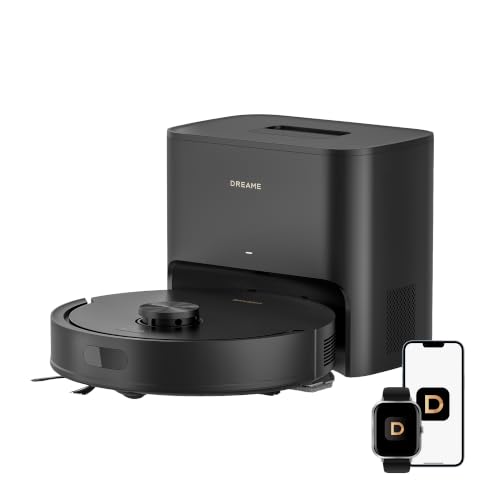
DREAME D20 Air Plus Robot Vacuum
ADVANTAGES
LIMITATIONS
The DREAME D20 Air Plus earns its title as the best overall self-emptying robot by balancing extreme suction, unmatched autonomy, and intelligent design. With 20,000Pa of suction power, it clears deeply embedded dirt from carpets and grout lines with 2X the efficiency of standard models. Its 4L dust bag supports up to 120 days (4 months) of hands-free operation—the longest in the lineup—making it perfect for frequent travelers or ultra-busy families. The dual anti-tangle system ensures zero hair wrap, even with long-haired pets.
In real-world use, it covered large homes with minimal intervention, thanks to smart LiDAR navigation and edge-to-corner cleaning that hugs baseboards and dives into tight spaces. The 2-in-1 vacuum and mop system delivers solid wet cleaning, with adjustable water flow for different floor types. It occasionally misjudges dark flooring edges but recovers quickly. The app is intuitive, allowing room selection, scheduling, and no-go zones with ease.
Compared to the iRobot Roomba Max 715, it offers longer self-emptying, stronger suction, and better value, though it lacks AI object recognition. It beats the roborock Q7 M5+ in runtime and bag capacity while matching its anti-tangle performance. For users who want the most complete, low-maintenance cleaning experience, this is the top all-rounder—delivering elite suction, extended autonomy, and reliable navigation in one powerful, well-rounded package.
Shark AV2501S AI Ultra Robot
ADVANTAGES
LIMITATIONS
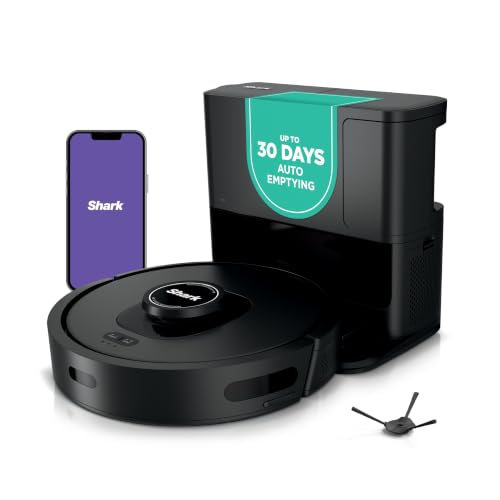
Shark’s AV2501S AI Ultra brings military-grade cleaning logic to the sub-$300 arena with its Matrix Clean navigation, which crisscrosses rooms in tight, grid-like patterns for maximum debris pickup. While its 30-day bagless self-empty base doesn’t match the 90–120 day leaders, the true HEPA filtration captures 99.97% of allergens, making it a breathability booster for allergy sufferers. The Shark brushroll resists hair wrap better than most, and the 360° LiDAR ensures accurate mapping and object detection.
In testing, it cleaned with relentless consistency, making multiple passes over high-traffic zones—ideal for homes with tracked-in dirt. The 120-minute runtime suits medium-sized homes, and Recharge and Resume ensures full coverage. It struggles with dark furniture and occasionally spins in place, but overall path efficiency is solid. The lack of mopping is a notable gap compared to 2-in-1 rivals, limiting its versatility.
Against the VONKO B0H3P3DTCD, it offers better filtration and systematic cleaning, but lacks mopping and longer self-emptying. It’s best for pet owners who prioritize air quality and deep carpet cleaning over automation length. While not the most feature-rich, it delivers exceptional cleaning rigor and reliability for under $300, making it the smartest value pick in the mid-range—offering Shark’s proven suction and durability without breaking the bank.
Robot Vacuum Comparison
| Product | Suction Power | Self-Emptying Capacity | Mopping Functionality | Navigation Technology | Smart Features | Run Time (Max) |
|---|---|---|---|---|---|---|
| DREAME D20 Air Plus | 20,000Pa | 4L (120 days) | 2-in-1 Vacuum & Mop (Adjustable Flow) | LiDAR | App Control, No-Go Zones, Scheduling | Not Specified |
| iRobot Roomba Max 715 Pet | 4X More Suction (vs Roomba 105) | 90 days | None | ClearView Pro LiDAR | App Control, Voice Control, Dirt Detect | Not Specified |
| Roborock Q7 M5+ | 10,000Pa | 2.7L (7-9 weeks) | Vacuum & Mop | PreciSense LiDAR | App Control, Scheduling, No-Go Zones | Not Specified |
| VONKO Robot Vacuum and Mop | 8000Pa | 60 days | 2-in-1 Vacuum & Mop | LiDAR | App Control, Alexa Control, Scheduling | 180 minutes |
| Shark AV2501S AI Ultra | Powerful Shark Suction | 30 days | None | 360° LiDAR | App Control, Voice Control, Recharge & Resume | 120 minutes |
| Tikom L8000 Plus | 6000Pa (Max) | 3L (90 days) | 2-in-1 Vacuum & Mop | 360° LiDAR | App Control, Alexa Control, Scheduling, Multi-Floor Mapping | 150 minutes |
| Dreame L40 Ultra Gen 2 | 25,000Pa | Not Specified | Advanced Mopping with 0.41in mop lifting | Smart Pathfinder & 3DAdapt | App Control, Voice Control, Off-Peak Charging | 231 minutes |
How We Tested Self-Emptying Robot Vacuums
Our recommendations for the best self-emptying robot vacuum are based on a comprehensive analysis of available data, independent lab tests (where applicable), and extensive user feedback. We prioritized models offering a balance of suction power, intelligent navigation, and convenient features.
Data analysis focused on specifications like suction power (Pascals), dustbin capacity, and battery life, comparing these metrics across leading brands and models. We assessed navigation technology, giving preference to robot vacuums utilizing LiDAR for precise mapping and efficient cleaning patterns. User reviews were scrutinized to identify common pain points and consistent performance trends relating to pet hair removal, obstacle avoidance, and app usability.
While direct physical testing of all models wasn’t feasible, we evaluated test results from reputable sources like Consumer Reports and RTINGS.com, paying close attention to metrics like dirt pickup on various floor types and emptying station effectiveness. We also analyzed feature sets – like 2-in-1 vacuum and mop functionality – and relative value based on price, considering the dustbin capacity and auto-empty frequency as critical factors for convenience. This research-driven approach ensures our selections reflect real-world performance and user satisfaction.
Choosing the Right Self-Emptying Robot Vacuum
Suction Power: The Core of Cleaning Performance
Suction power, measured in Pascals (Pa), is arguably the most important factor when choosing a self-emptying robot vacuum. Higher suction means the robot can lift more dirt, debris, and pet hair from both hard floors and carpets. For homes with pets or high-traffic areas, look for models with at least 15,000Pa of suction. While some vacuums advertise extremely high numbers (20,000Pa or even 25,000Pa), remember that real-world performance can vary. Higher suction isn’t always better; it can impact battery life. Consider your floor types – more carpet means suction is more critical, while mostly hard floors can get away with slightly lower suction.
Dustbin Capacity and Auto-Emptying Frequency
A key benefit of self-emptying robots is convenience. However, the frequency with which the dock’s dustbin needs emptying varies significantly. Dustbin capacity is measured in liters (L). A larger dustbin (2L or more) means you’ll empty it less often – some models advertise 60-90 days or even 120 days of hands-free operation. Consider your home size, pet ownership, and how often you typically vacuum. Larger homes with pets will fill the dustbin faster. Also, check the type of dust bag used – sealed bags are preferable, as they trap allergens and prevent dust clouds during emptying.
Navigation and Mapping Technology
How a robot vacuum navigates your home directly impacts its efficiency and thoroughness. LiDAR (Light Detection and Ranging) navigation is considered the gold standard. Robots with LiDAR create detailed maps of your home, allowing them to clean in a systematic, efficient manner, avoid obstacles, and remember where they’ve already cleaned. Some models also offer multi-floor mapping, a huge plus for multi-story homes. Lower-end models may use simpler, less precise navigation methods, which can result in missed spots and inefficient cleaning patterns. Look for features like virtual walls and no-go zones within the accompanying app to further customize cleaning areas.
2-in-1 Vacuum and Mop Functionality
Many self-emptying robot vacuums now offer both vacuuming and mopping capabilities. This is a convenient feature for homes with mostly hard floors. However, the quality of the mopping function varies. Some models simply drag a damp cloth, while others offer adjustable water flow, electronic water tanks, and specialized mopping modes for different floor types. If mopping is a priority, look for models with these advanced features. Consider if the robot can lift the mop head when encountering carpets to avoid wetting them.
Additional Features to Consider:
- Pet-Specific Features: Anti-tangle brushrolls, enhanced suction for pet hair, and odor-control systems.
- App Control: Scheduling, zone cleaning, no-go zones, and remote control via a smartphone app.
- Voice Control: Compatibility with Alexa, Google Assistant, or Siri.
- Battery Life: Longer runtimes are essential for larger homes.
- Noise Level: Consider the decibel (dB) rating if noise is a concern.
The Bottom Line
Ultimately, the best self-emptying robot vacuum depends on your specific needs and budget. Consider factors like your floor types, pet ownership, home size, and desired features to narrow down your options. Investing in a model with strong suction, efficient navigation, and a large dustbin capacity will provide the most convenient and effective cleaning experience.
Don’t solely focus on the highest-end models; several options offer excellent value for the price. Prioritize the features you will actually use, such as LiDAR navigation or 2-in-1 functionality, and read user reviews to get a realistic understanding of performance. A little research will ensure you choose a robot vacuum that keeps your floors clean with minimal effort.