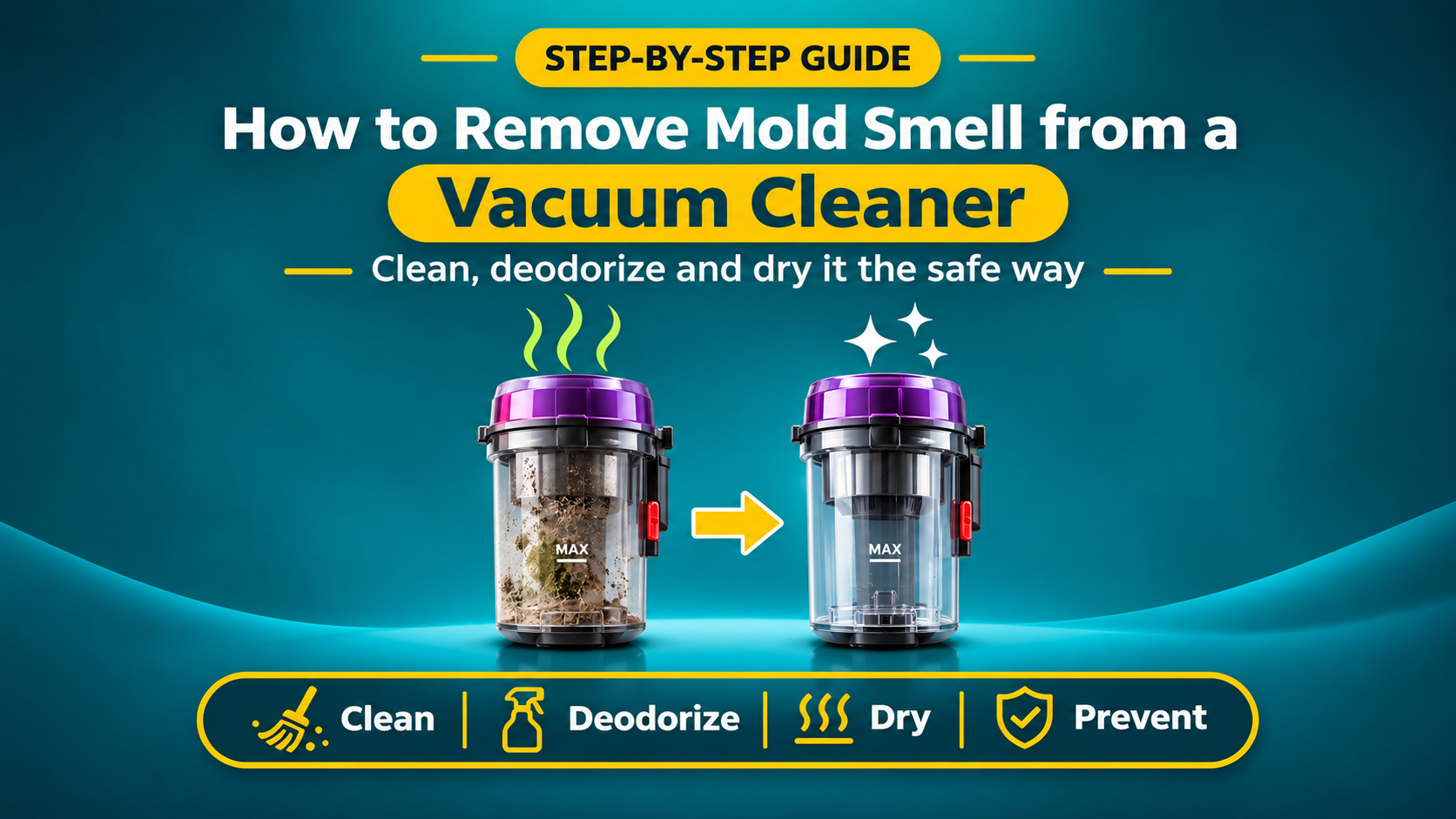

You switch on your vacuum and a musty, damp odor fills the room. That earthy smell is a common sign of mold or mildew growing inside the machine. It usually happens after vacuuming something damp, storing the vacuum in a humid place or leaving a dirty filter and bin untouched for months. Besides smelling bad, the vacuum can blow odors and spores back into the air you breathe. The good news is that learning how to remove mold smell from a vacuum cleaner is straightforward and mostly needs soap, water, vinegar and patience. This guide shows you how to find the source, clean every part, dry it properly and stop the smell from coming back.
Why Does a Vacuum Cleaner Smell Like Mold?
- Vacuuming damp or wet messes: Moisture in the bin, bag or filter feeds mold.
- Wet or damp filters: A washed filter that was not dried fully is a top cause.
- Humid storage: Basements, garages and bathrooms keep moisture in the air.
- Old dirt left in the machine: Food crumbs, pet hair and organic dust support mold growth.
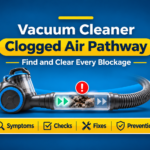
- Poor airflow: Clogged filters and hoses trap damp air inside.
- Vacuuming after cleaning with water: Residual moisture in carpets or floors can be pulled into the machine.
Signs of Mold or Mildew in a Vacuum
- A musty, sour or earthy smell when the vacuum runs
- Odor that gets stronger when the motor heats up
- Black, green or white spots on the bin, filter or bag
- Slimy or damp dust in the dust cup
- Rooms that smell stale after vacuuming
- Sneezing or irritated eyes when you use the vacuum
Tools and Supplies You Will Need
- Gloves, dust mask and safety glasses
- Warm water and mild dish soap
- White vinegar (for diluted cleaning solution)
- Isopropyl alcohol wipes (optional)
- Soft brush, old toothbrush and a bottle brush
- Microfiber cloths and paper towels
- Trash bag
- Replacement filters or a new bag, if needed
- Baking soda or an activated charcoal pouch for odor control
How to Remove Mold Smell From a Vacuum Cleaner: Step by Step
Step 1: Unplug and Take the Vacuum Outside
Switch the vacuum off and unplug it. If you can, move it outdoors or to a ventilated spot so that spores and dust do not spread inside your home. Put on your gloves and mask.
Step 2: Empty the Dust Bin or Replace the Bag
Empty the bin into a sealed trash bag. If your vacuum uses a bag, remove it and throw it away, even if it is not full, because a bag with mold or damp dust cannot be cleaned. Seal the trash bag and put it in the outside bin.
Step 3: Inspect and Treat the Filters
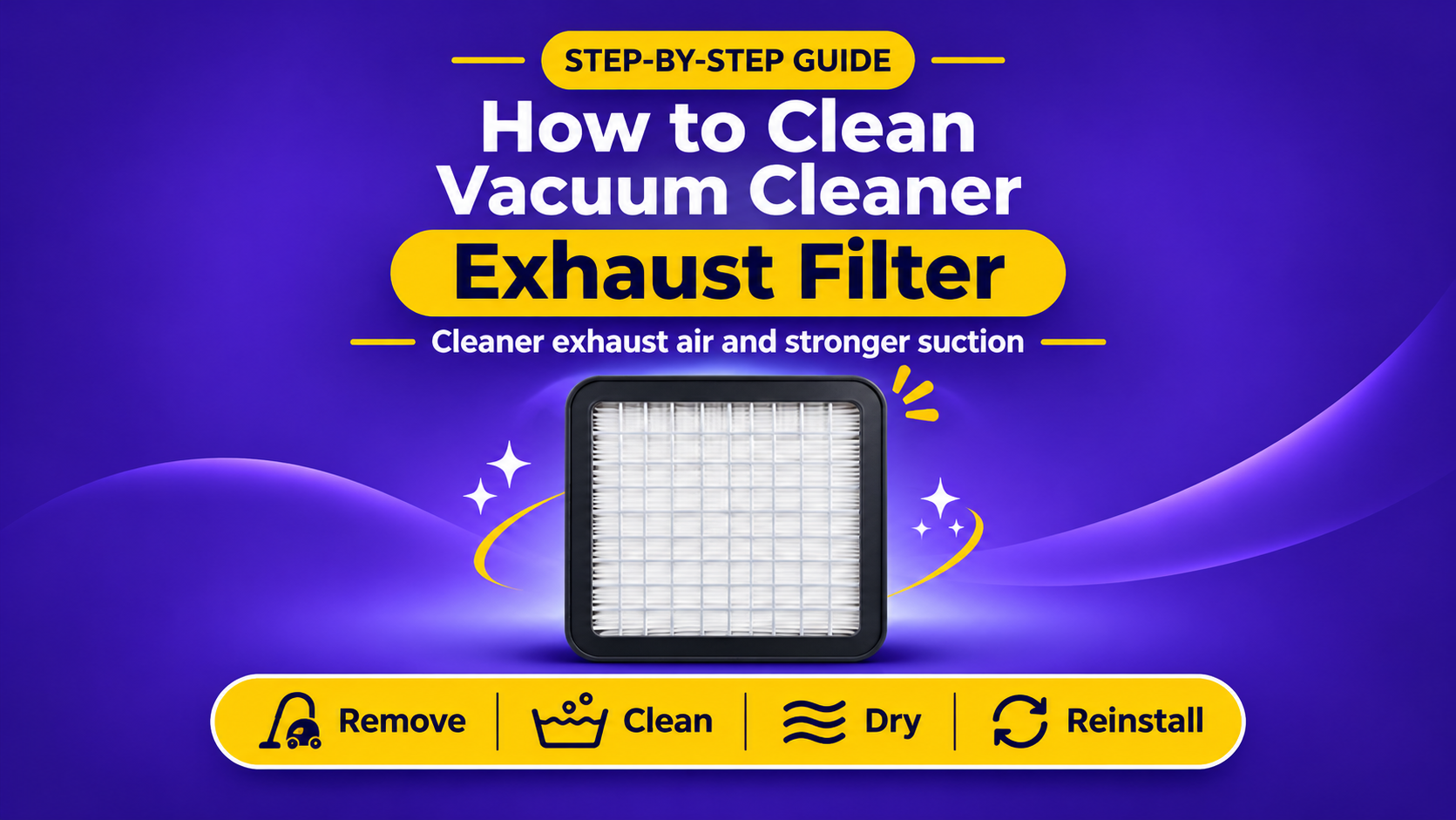
Filters are the most common source of mold smell. Remove every filter and check it carefully:
- Visible mold, spots or a strong smell: Replace the filter. Moldy filters are hard to clean fully.
- Washable foam or felt filters: If the manual allows washing, rinse them in cool water, squeeze gently and air dry for at least 24 hours.
- HEPA filters: These are usually not washable, so replace them if they smell musty.
Never put a damp filter back in the vacuum.
Step 4: Wash the Dust Bin and Removable Parts
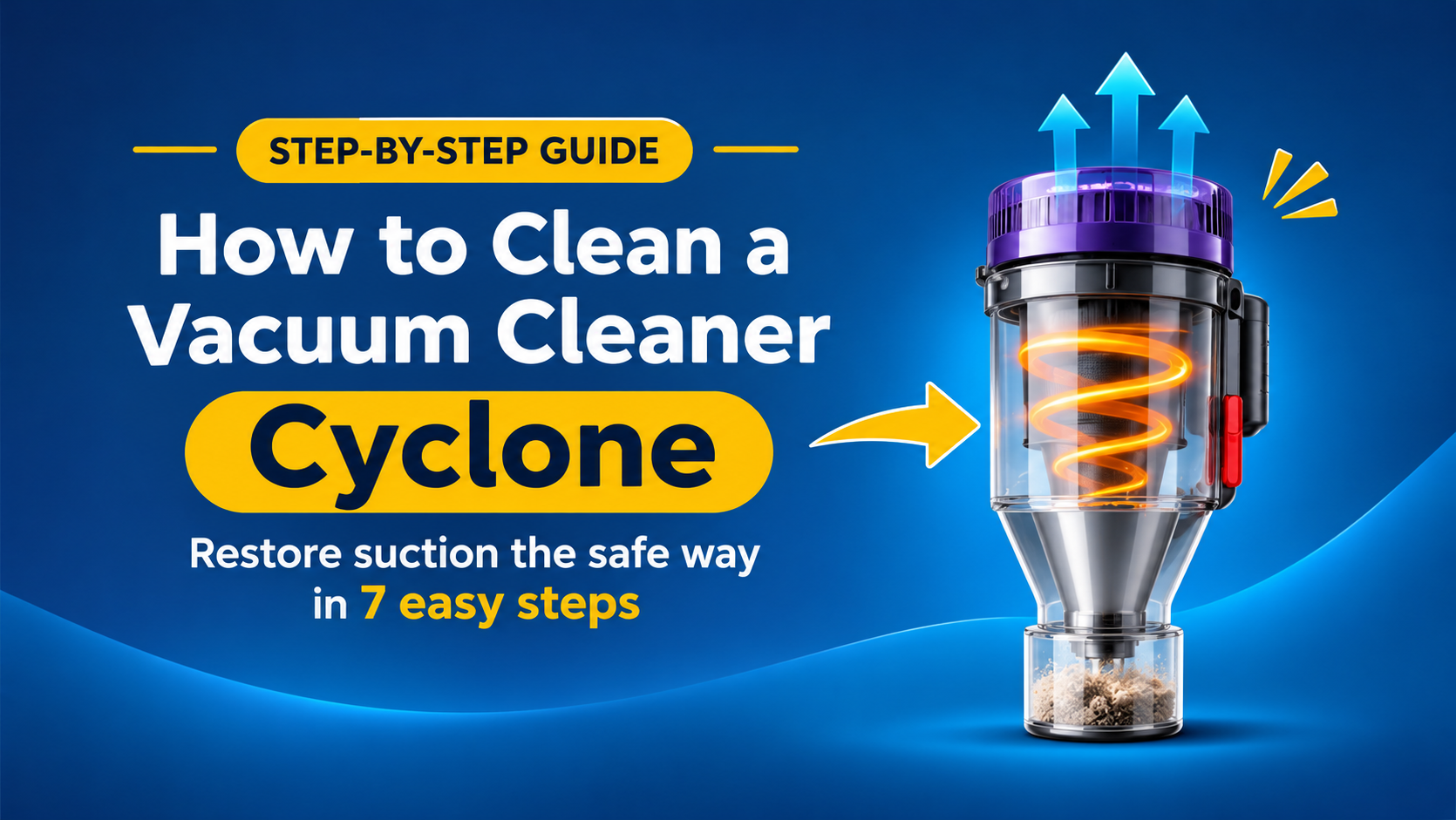
If the manual says the bin, cyclone or removable parts are washable, wash them in warm water with a little dish soap. Scrub corners and seams with a soft brush. For stubborn odor, mix equal parts white vinegar and water and wipe or soak the plastic for a few minutes, then rinse with clean water. Do not submerge parts that contain electrical connections.
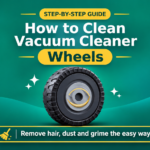
Step 5: Clean the Hose, Wand and Brush Roll
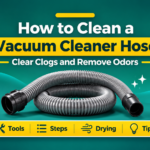
- Hose and wand: Check for damp dust and blockages. Rinse them if they are plain plastic with no wires, or wipe them with a cloth. Run a bottle brush through them if possible.
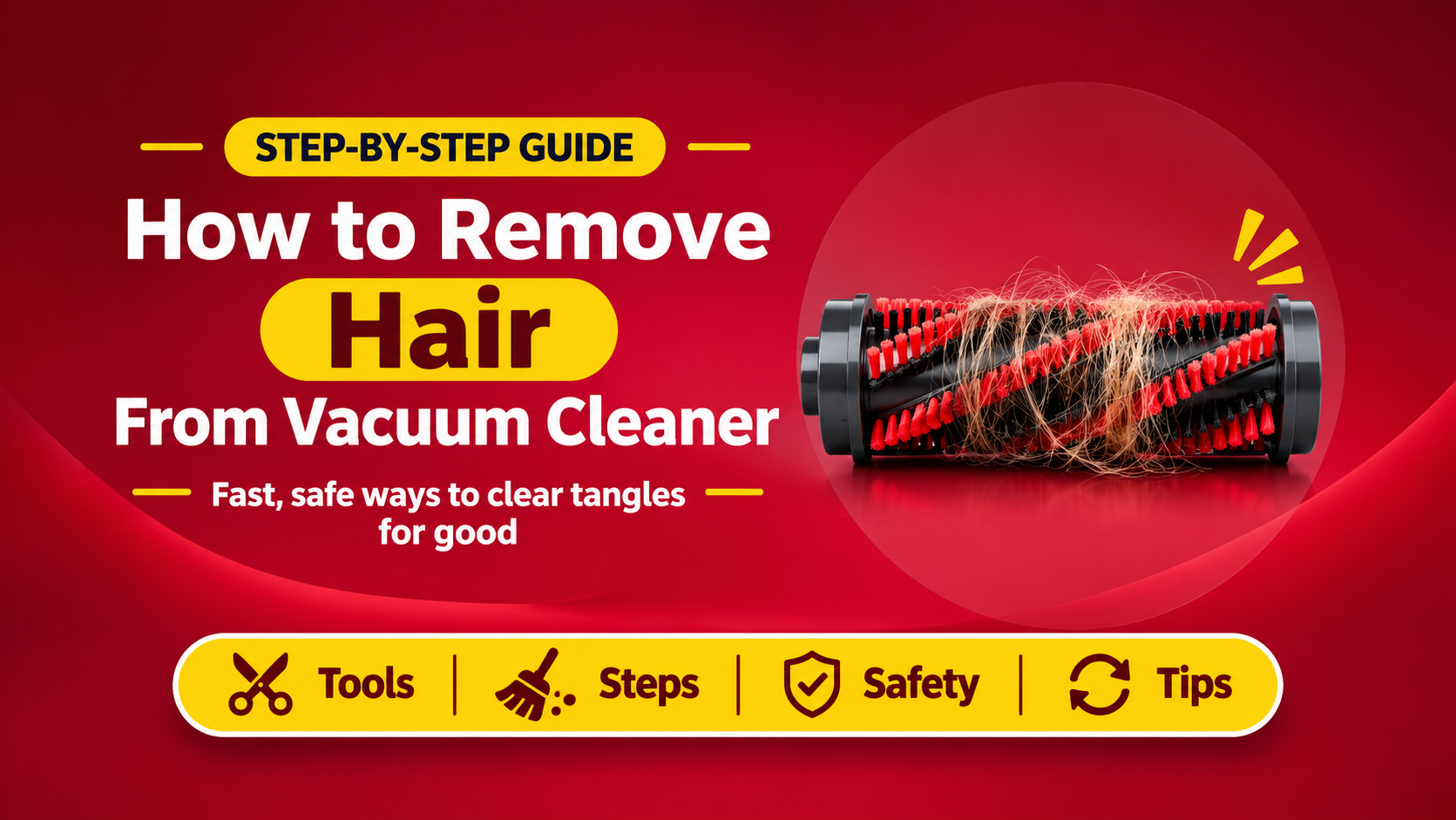
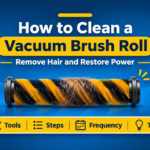
- Brush roll: Remove hair and debris, and wipe the roll with a cloth lightly dampened with the vinegar solution.
- Attachments: Wash the plain plastic tools in warm soapy water.
Step 6: Wipe the Vacuum Body and Seals
Wipe the outside of the machine, the filter compartment and the rubber seals with a cloth dampened with diluted vinegar or mild soap water. Wring the cloth well so that no liquid drips into the motor area. Dry with a clean cloth.
Step 7: Dry Everything Completely
Leave every part to air dry for at least 24 hours in a warm, airy place. Direct sunlight helps reduce odors, but do not leave plastic parts in intense heat for long periods. Do not use a hair dryer or oven. Parts that stay damp bring the smell back quickly.
How to Deodorize the Vacuum After Cleaning
- Fresh air: Leave the dust bin, hose and parts open to the air for a few hours after they are dry.
- Activated charcoal pouch: Store one near the vacuum or inside the storage cabinet to absorb odors.
- Baking soda in an open container: Place a small open container of baking soda next to the vacuum in the storage area. Do not pour baking soda into the filter or motor area, because the fine powder can clog the filters.
- New filter and bag: A fresh filter or a new bag makes a major difference.
- Vacuum-safe deodorizer discs: Use only products that the manufacturer says are safe for your model.
Important: Never mix bleach with vinegar or other cleaners, as this can create dangerous fumes. Avoid spraying perfume or air freshener into the machine, since it can hide the odor temporarily and damage the filter.
Reassemble and Test the Vacuum
Once every part is completely dry, put the filters back, attach the bin or a new bag, and reconnect the hose and brush roll. Plug in the vacuum and run it for a few minutes outdoors or in a ventilated room. If you still smell mold, check the filters and the hose again, and make sure nothing is still damp.
Quick Reference: Cleaning Method by Part
| Part | What to Do |
|---|---|
| Dust bag | Throw away and replace |
| Dust bin or cup | Wash in soapy water, wipe with diluted vinegar, dry fully |
| Foam or felt filter | Wash if allowed, or replace if smelly |
| HEPA filter | Replace if musty |
| Hose and wand | Clear dust, rinse or wipe, dry thoroughly |
| Brush roll | Remove hair and wipe clean |
| Vacuum body | Wipe with a lightly damp cloth, never soak |
How to Prevent Mold Smell From Coming Back
- Do not vacuum wet spills, damp carpets or moisture, unless your vacuum is a wet and dry model.
- Empty the dust bin after each use and avoid leaving dirt inside for long.
- Let washed filters dry completely before reinstalling them.
- Store the vacuum in a dry, ventilated area, and not in a damp basement or bathroom.
- Leave the bin open for a short time after use if it feels humid.
- Replace filters on schedule.
- Clean the hose, brush roll and attachments regularly.
- Use a spare filter so you can rotate one while the other dries.
When to Replace the Vacuum or Parts
- Mold is growing inside the motor housing or in areas you cannot reach and clean.
- The smell returns quickly after a full clean and fresh filters.
- The hose has mold inside that will not come out.
- The vacuum was exposed to flood water or heavy moisture.
- Someone in your household has allergies or breathing problems that flare up when the vacuum is used.
In these cases, a replacement hose, bin or the whole vacuum may be safer and more cost effective than continuing to repair it.
Frequently Asked Questions
Why does my vacuum smell musty even after emptying the bin?
Mold smell often comes from the filters, the hose or the damp dust left in the housing. Emptying the bin is not enough, so check and clean all the parts.
Can I use vinegar to remove mold smell from my vacuum?
Yes. Diluted white vinegar is a gentle cleaner for plastic parts. Use it only on removable plastic parts and wipe surfaces. Do not use it on electrical parts or the motor.
Is it safe to use a vacuum that smells like mold?
It is better to clean it first. A moldy vacuum can spread spores and odors, which may irritate people with allergies or asthma.
How long does it take for the smell to go away?
If you clean and replace the right parts, and let everything dry fully, the smell is usually gone within a day or two.
Can I wash my vacuum filter to remove the smell?
Only if the filter is labeled washable. Dry it for at least 24 hours. If the filter still smells, replace it.
Can baking soda go inside the vacuum?
It is best to keep baking soda out of the vacuum, because the fine powder can clog the filters and affect suction. Use an open container nearby or an activated charcoal pouch instead.
Do robot and cordless vacuums get mold smell too?
Yes. They have small bins and filters that can hold damp dust, so clean and dry them regularly.
Final Thoughts
Removing mold smell from a vacuum cleaner comes down to three things: find the damp source, clean every part you can reach and dry everything thoroughly. Replace moldy bags and filters, wash the bin and washable parts, wipe the hose and the body, and use safe deodorizers. Then keep moisture out and store the vacuum in a dry place. With these simple habits, your vacuum will stay fresh, work well and keep your home smelling clean.